
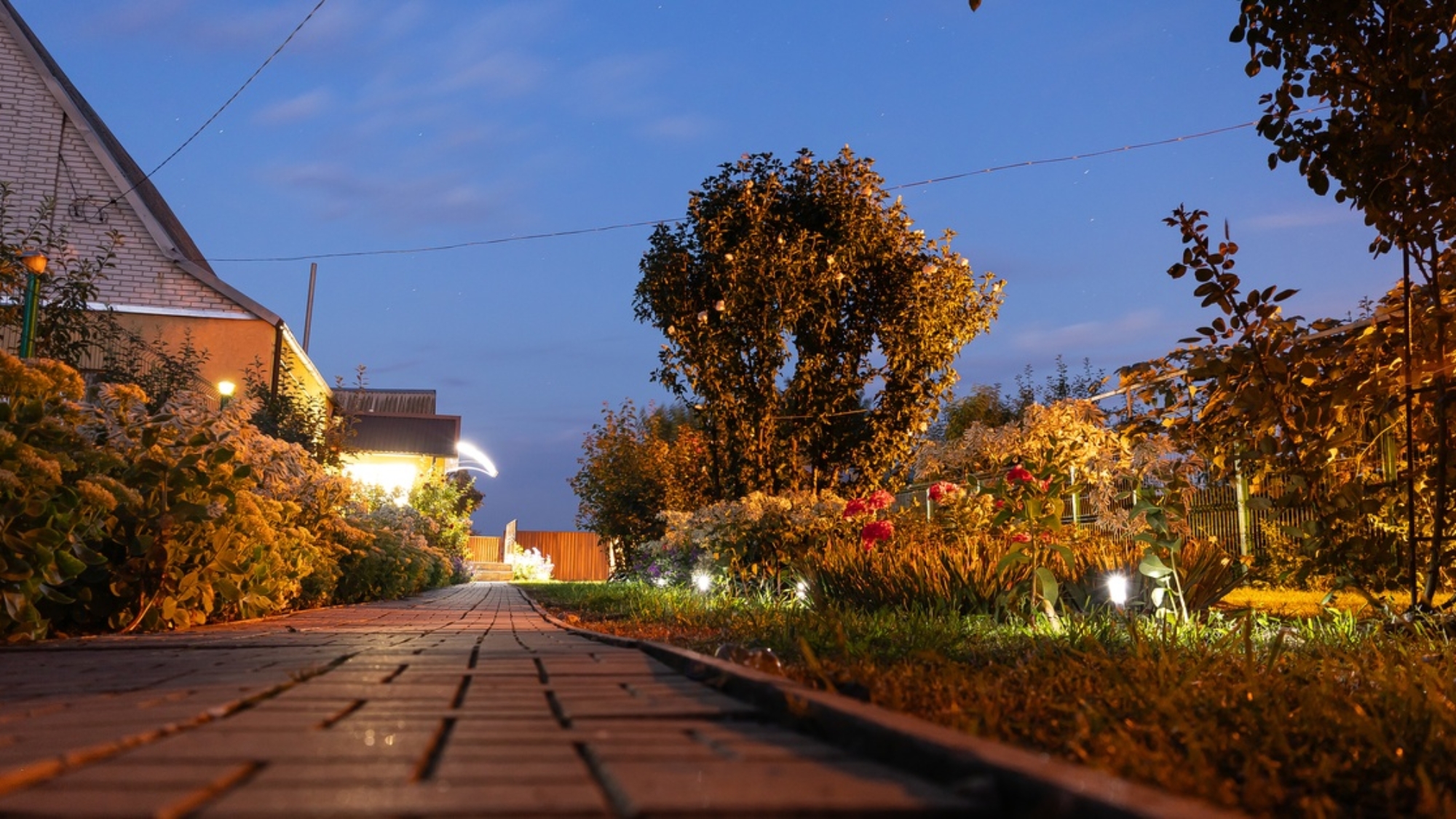
Outdoor spaces play a major role in how homeowners experience their property and how others perceive its value. When patios, walkways, retaining walls, and other features are added over time without a shared plan, the landscape can feel disjointed and less functional. A unified hardscape design helps each element work together visually and structurally.
Thoughtful planning ensures your investment creates a polished outdoor environment rather than a patchwork of upgrades. When the entire space is designed with one cohesive vision, it delivers better usability, refined curb appeal, and long-term durability.
Establishes a Cohesive Outdoor Living Vision
Luxury outdoor spaces rarely happen by accident. They begin with a clear design vision that ties every feature together into one intentional layout.
Without a unified approach, patios, walkways, and retaining walls can feel disconnected from each other. Materials may clash, pathways may cut awkwardly across the yard, and gathering areas may feel isolated rather than integrated.
A cohesive design creates a natural flow throughout the property. Walkways guide movement, seating areas feel purposeful, and structural features blend seamlessly with the surrounding landscaping. The result is an outdoor environment that looks refined and feels comfortable to use every day.
This approach also keeps the design aligned with your home’s architecture. Materials, textures, and color palettes can complement the exterior rather than compete with it. When those details are consistent, the outdoor space feels like a natural extension of the home.
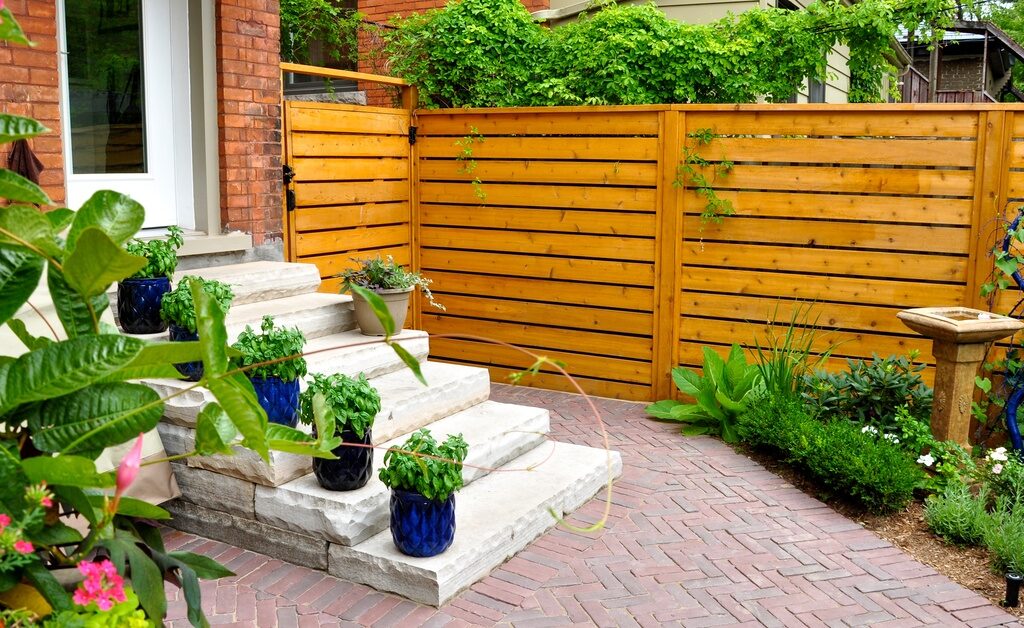
Supports Long-Term Structural Stability
Hardscape construction is not only about aesthetics. Every patio, retaining wall, and walkway also plays a role in managing soil movement, water drainage, and elevation changes across the property.
When projects are completed independently without an overall strategy, issues can appear over time. A patio added years after a drainage solution or retaining wall might redirect water in unintended ways, leading to puddling or soil erosion.
Careful planning helps prevent these problems. Contractors can design grading, drainage pathways, and structural supports to function as a complete system. This integrated approach protects both the hardscape features and the surrounding landscape.
Proper drainage planning is especially important in areas that experience seasonal rainfall. Sloped surfaces, gravel backfill, and subsurface drainage lines can help direct water safely away from patios and foundations. Addressing these factors early reduces the risk of long-term maintenance concerns.
Structural planning also accounts for soil conditions and elevation changes across the property. By evaluating how the land naturally shifts and drains, contractors can build retaining walls, steps, and terraces that reinforce stability. This level of planning supports outdoor spaces that remain durable for years.
Maximizes Usable Outdoor Space
Many properties have areas that remain underutilized simply because they were never included in a thoughtful design plan. Sloped terrain, awkward corners, or narrow sections of the yard can become functional with the right hardscape strategy.
Retaining walls, terraces, and walkways can reshape the landscape to create level areas for outdoor living. Instead of wasted space, homeowners gain additional zones for relaxation, dining, or entertaining.
A unified layout often includes multiple functional areas, such as:
- Dining and entertaining patios
- Walkways connecting key areas of the property
- Garden terraces or raised planting beds
- Seating areas supported by retaining walls
- Drainage solutions that protect landscaping and foundations
Strategic zoning also improves how people move through the outdoor space. Walkways can guide guests from entry points to patios, gardens, or gathering areas without interrupting the flow of the landscape. This thoughtful circulation makes the yard easier and more enjoyable to navigate.
Defined zones also allow homeowners to enjoy different experiences within the same property. One area may serve as a quiet retreat with garden seating, while another becomes the main space for entertaining guests. Unified design ensures these areas complement one another rather than competing for attention.
Elevates Curb Appeal and Property Value
First impressions matter, especially when it comes to residential property value. A well-designed outdoor area signals care, quality, and thoughtful investment.
Hardscape features bring structure to a landscape. Clean lines from walkways, patios, and retaining walls create visual order and guide the eye across the property. When materials and layouts complement each other, the entire space feels more polished.
A unified hardscape design also strengthens resale appeal. Buyers appreciate outdoor spaces that feel complete and intentional rather than pieced together through separate projects.
A thoughtful layout can also highlight the architecture of the home itself. Patios and walkways can frame entry points, emphasize landscaping, and draw attention to gathering areas. This layered design approach improves curb appeal while reinforcing the home’s character.
Simplifies Future Outdoor Upgrades
Many homeowners improve their outdoor spaces gradually over time. However, adding new features without a long-term plan can lead to mismatched materials or layouts that compete with existing structures.
A unified hardscape design provides a roadmap for future improvements. Even when projects happen in phases, each addition fits naturally into the original layout.
This approach helps ensure:
- New features blend with existing materials and finishes.
- Drainage and grading remain balanced.
- Walkways and patios maintain consistent design patterns.
- Maintenance stays manageable across the landscape.
With a comprehensive plan in place, homeowners can expand their outdoor living areas with confidence. Each improvement supports the overall design rather than creating new complications.
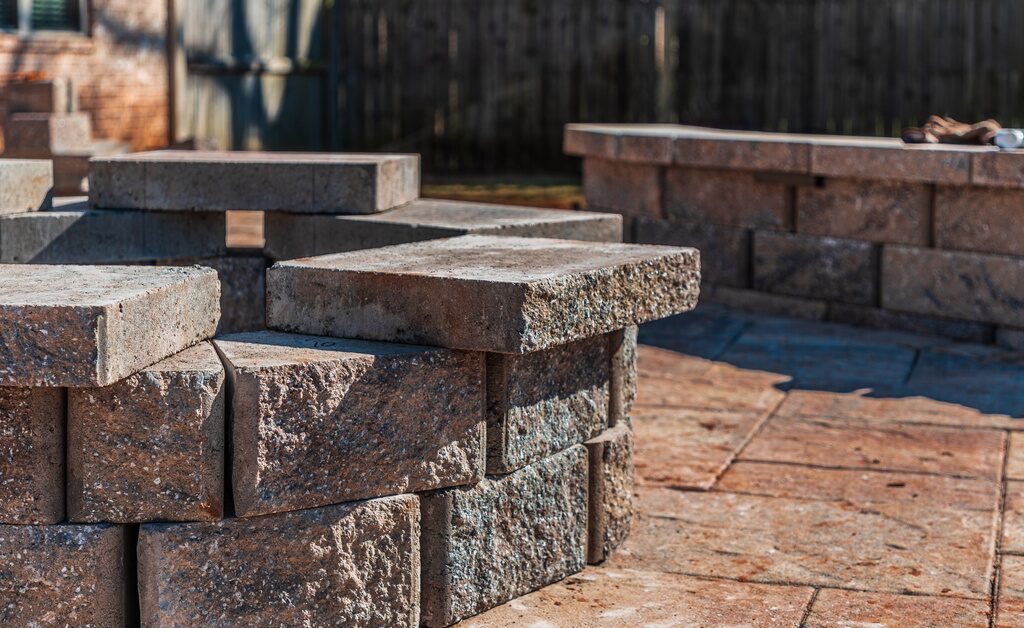
Reflects Professional Planning and Craftsmanship
High-end outdoor environments require more than durable materials. They depend on thoughtful planning and skilled craftsmanship to achieve a refined result.
Professional contractors evaluate soil conditions, property grade, water flow, and traffic patterns before construction begins. These factors influence how hardscape features should be arranged across the landscape.
Experienced professionals can design solutions that balance performance with aesthetics. Materials such as concrete, natural stone, and segmental retaining systems can be selected to complement the home and the surrounding landscape.
A professional design process also includes careful layout planning. Contractors map the property’s slopes and identify how outdoor areas connect with one another. This preparation helps determine the ideal placement for patios, walkways, and retaining walls.
Expert craftsmanship ensures every element performs as intended. Proper base preparation, precise installation, and durable materials contribute to hardscape features that maintain their appearance and structural integrity.
A Thoughtful Design Creates Lasting Outdoor Value
A unified hardscape design turns outdoor improvements into a cohesive investment rather than a series of separate projects. When patios, retaining walls, walkways, and drainage systems are planned together, the entire property benefits from better functionality and visual harmony.
For homeowners planning outdoor construction in Phenix City, AL, working with experienced local professionals ensures each feature supports a shared design vision. With careful planning and premium craftsmanship, your outdoor space can become a refined extension of your home that delivers lasting beauty and value.
If you’re ready to elevate your landscape with a cohesive hardscape plan, contact PNP Outdoor Development to schedule a consultation. Our team provides tailored outdoor construction solutions supported by expert design, durable materials, and experienced project management from start to finish.
Add a Comment