
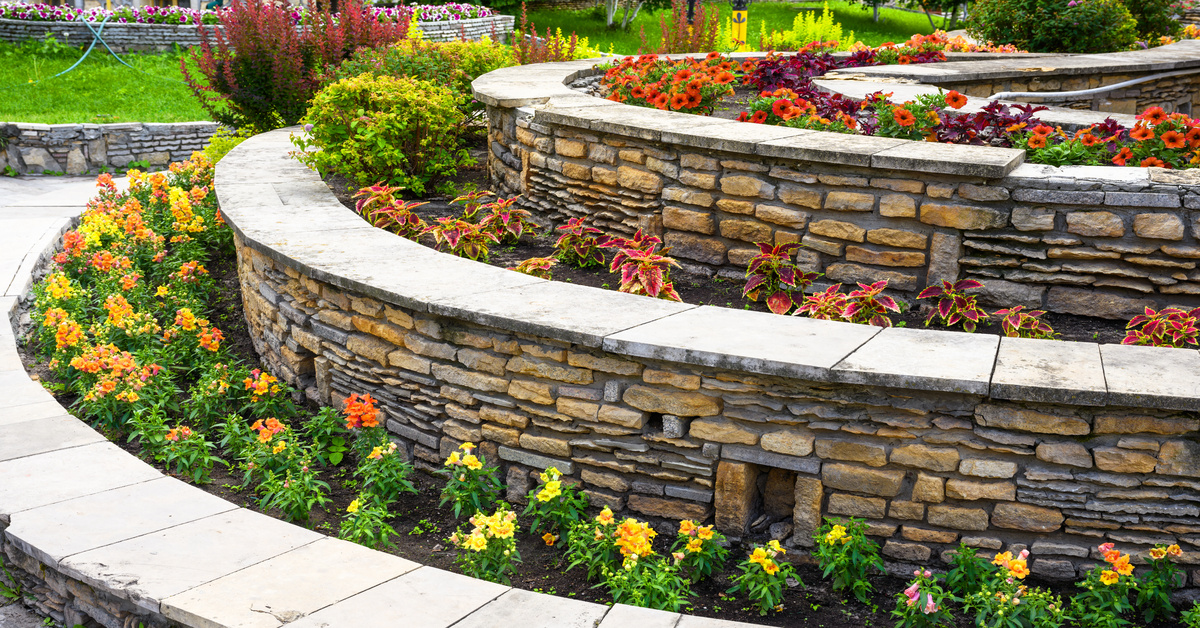
A well-crafted retaining wall does more than hold back earth; it elevates your landscape and defines your outdoor living experience. With the right materials, your wall becomes a unique statement, blending timeless style with lasting quality that truly enhances your property’s value. The choice between segmental rock or poured concrete retaining walls goes far beyond appearance; it shapes your outdoor space’s integrity and legacy.
Every property calls for a thoughtful approach. You want a balance between aesthetics, durability, and your site’s unique demands. Segmental block systems offer a textured, classic appeal, while poured concrete delivers modern elegance and seamless strength. When you understand what sets each option apart, you can confidently choose what suits your home and vision.
What Are Segmental Retaining Walls?
Segmental retaining walls use concrete blocks that interlock without any mortar required. This method gives you a stable yet adaptable barrier. Thanks to built-in flexibility, the wall moves slightly with the earth instead of cracking, making it ideal for properties where soil can settle or shift.
These blocks come in a wide range of shades, finishes, and sizes, so you can build straight or curved walls that blend with your home’s design. You aren’t limited to a single style. The versatility of segmental systems allows you to capture both traditional and contemporary looks, all while ensuring lasting stability.
How Does Poured Concrete Compare?
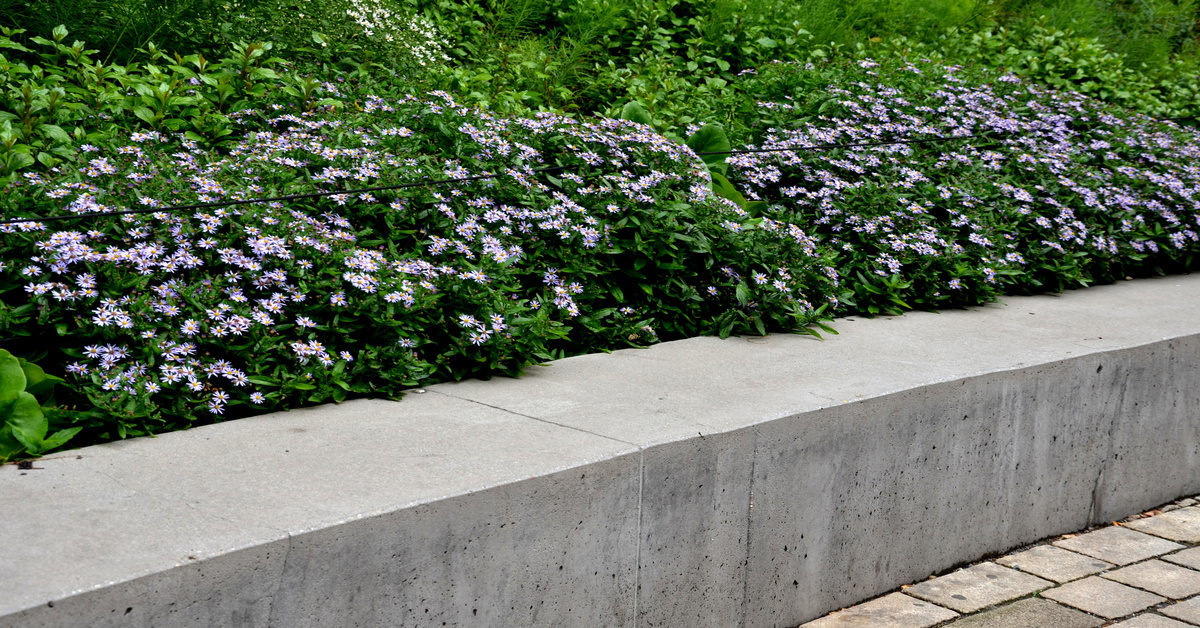
Poured concrete walls deliver a crisp, uniform look that’s perfect for modern settings. By pouring concrete into custom-built forms on your property, contractors create a seamless wall that stands strong against soil and weather. The result is a solid structure that adds strength and contemporary flair.
Poured concrete adapts to virtually any shape or vision. You can leave it smooth for a minimalist effect, or add texture, color, or a brick or stone veneer for extra personality. This flexibility gives you the option to create a simple backdrop or a striking centerpiece in your outdoor living area.
Which Material Offers Greater Design Flexibility?
Segmental block walls give you the freedom to design walls that make a statement. Whether you want gentle curves, striking straight lines, or integrated features like steps and columns, modular blocks make it possible. Textures range from rugged, natural stone to sleek and modern. You can tailor every detail to fit your property.
Poured concrete offers flexibility in its own way. Its fluid nature lets you craft bold curves or sharp angles and experiment with customizable finishes. You can tint the material to match your home or use stamping techniques that mimic luxury materials. Both choices empower you to express your own sense of style.
How Do Segmental Blocks Handle Water Drainage?
Water management should always be a priority in retaining wall designs. Segmental block systems perform well under pressure; small spaces between blocks allow water to seep through, reducing buildup behind the wall.
Most builds incorporate a gravel backfill and a perforated drainage pipe at the base. This system efficiently channels water away, lowering the risk of saturation or failure. If you live in areas with frequent rainfall, segmental walls deliver consistent, worry-free performance.
What Is the Drainage Solution for Poured Concrete?
Because poured concrete walls form an impermeable barrier, effective drainage is essential. Without it, trapped water can put intense pressure on the wall structure over time.
Proper drainage for poured concrete often includes:
- Granular backfill for water flow
- A perforated drain pipe at the base
- Weep holes—small outlets that let trapped water escape
Each component plays a role in maintaining strength and protecting your investment for years.
Which Option Is More Durable in the Long Term?
You can expect excellent longevity from both segmental and poured concrete walls, provided quality installation. Segmental blocks are made to ensure consistency and strength, and their flexibility guards against cracks as grounds move.
Poured concrete, especially with steel reinforcement, stands up to tremendous pressure. The result is a strong, immovable wall that holds up for decades. Yet, its rigidity can make it more vulnerable to cracks if soil shifts dramatically or drainage hasn’t been addressed.
How Do the Installation Processes Differ?
For segmental block walls, installation is straightforward. Experts excavate, lay a gravel foundation, and stack blocks in sequence. There’s minimal waiting before continuing construction, so the process often moves faster, especially for mid-sized or smaller projects.
With poured concrete, the process involves greater precision. Crews build formwork, add steel rebar, and carefully pour the concrete into place. The material needs time to cure and develop strength before finishing or backfilling. While more time-consuming, it’s worth the wait for a sleek, seamless result.
What Is the Best Choice for a Cohesive Landscape?
Every outdoor space is unique, and a well-chosen retaining wall complements your overall landscape plan. Segmental blocks, with their varied colors and textures, allow you to coordinate with existing walkways, patios, or natural stone features. The look is layered and intentional, effortlessly tying together different elements.
Poured concrete’s pristine lines suit modern homes and outdoor spaces. Paired with lush plantings, it creates a balanced contrast between cool structure and natural softness. With an expert design, concrete walls become sculptural features that unify your property.
Which Material Aligns With a High-End Look?
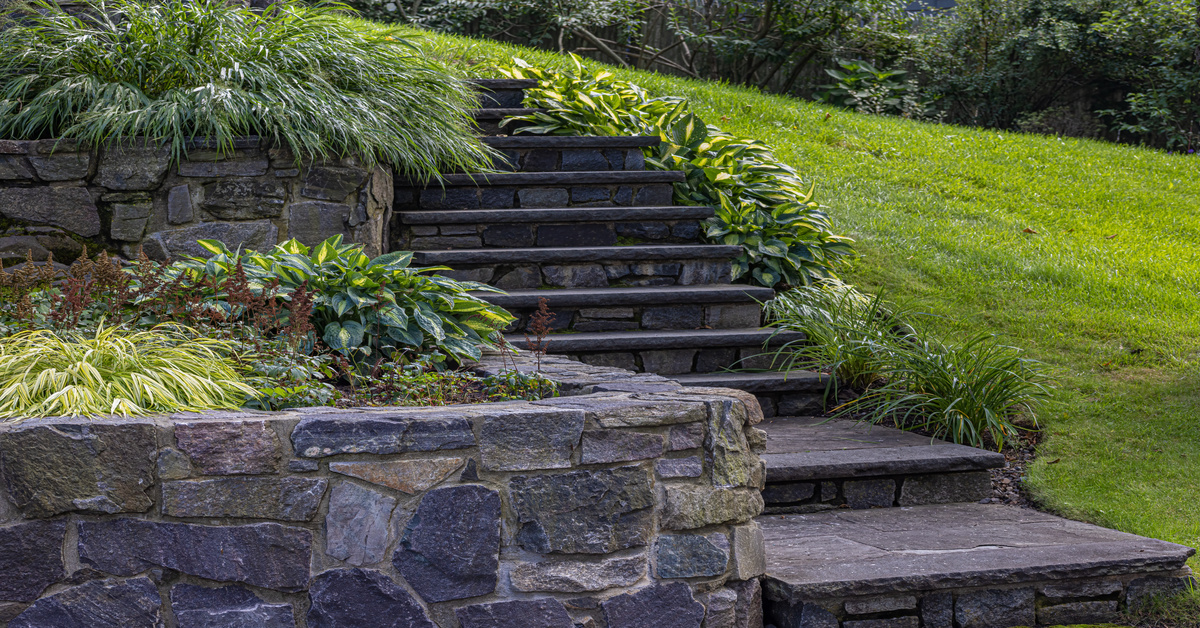
Both segmental blocks and poured concrete can create a look of exclusive luxury. Top-tier segmental blocks mimic the elegance of quarried stone, delivering a classic appeal and unmistakable quality. Attention to detail in block pattern and edge treatment produces crisp, refined lines.
Poured concrete, especially with specialty finishes or custom liners, achieves dramatic effects. Board-formed textures or artistic color washes create a one-of-a-kind impression.
How Do Costs Compare Between the Two?
Segmental block walls often come with a lower price tag for straightforward projects, thanks to efficient installation and material use. For more complex, taller structures, advanced engineering and extra labor can increase the cost.
Poured concrete usually requires a larger upfront investment, as precise forms and curing take time and expertise. However, for grander-scale or specialized designs, poured concrete can offer better value overall. Factors like property grade, wall height, and desired finishes influence the final price for both methods.
Which Material Is Right for You?
Selecting between segmental rock or poured concrete retaining walls boils down to your vision, property goals, and what suits your home’s architecture. Each material stands out for longevity and refinement when skilled professionals handle the details. Your final choice should reward you with an outdoor space that feels truly custom, with beauty that endures.
If lasting quality, sophisticated design, and exceptional service matter to you, trust PNP Outdoor Development—the retaining wall construction experts in Phenix City, AL. We take pride in elevating every project, from the first consultation to the last detail. Your wall won’t just be built to last; it’ll be designed to impress. Reach out today, and let’s begin creating a signature outdoor space that leaves a lasting impression.
Add a Comment