
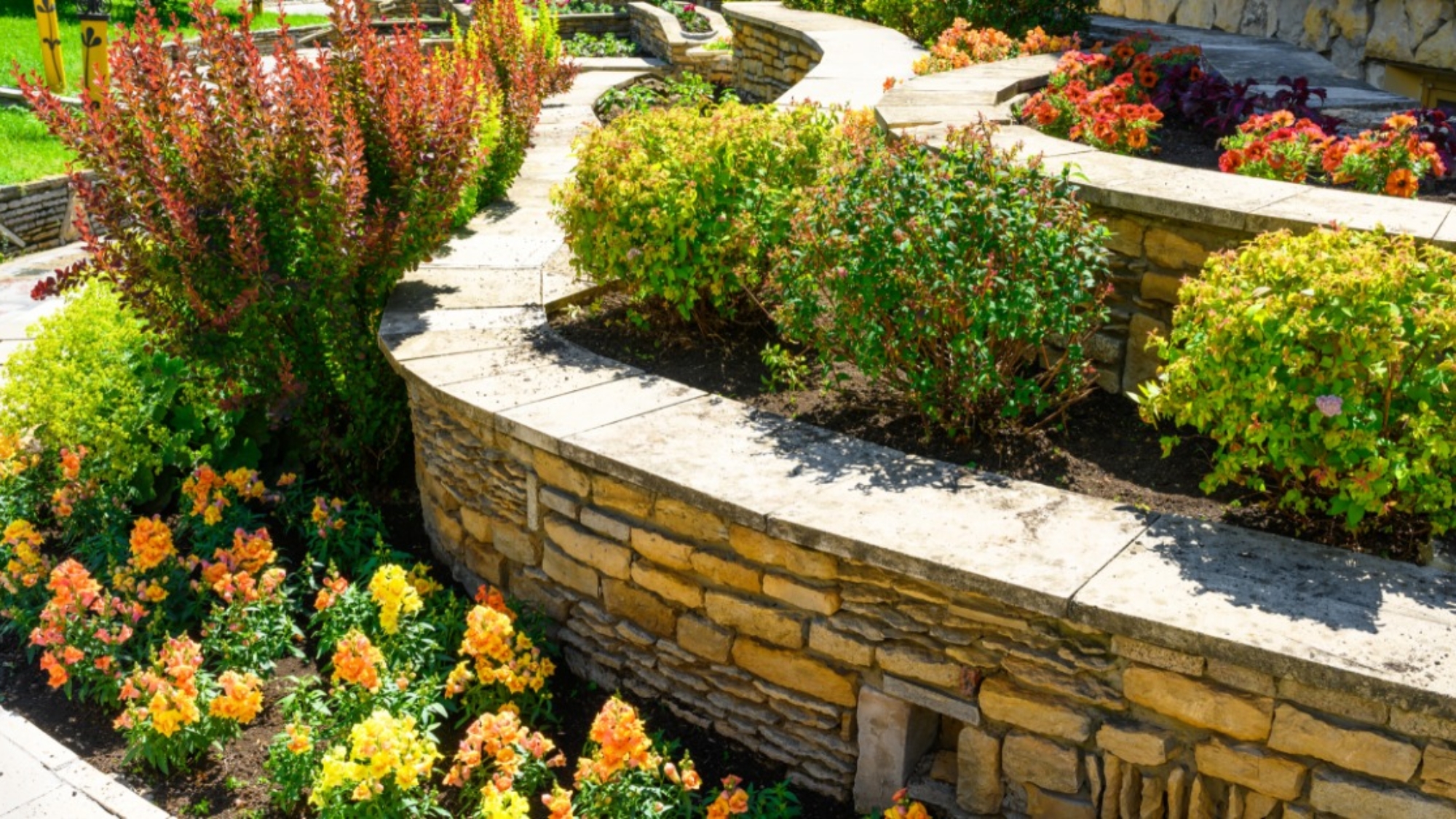
A well-designed retaining wall does more than manage soil and define elevation. When planned with intention, it becomes a standout feature in your outdoor living space. Integrating plantings into your retaining wall brings structure and greenery together, creating a landscape that feels balanced and welcoming.
For homeowners who have been thinking about ways to freshen up their landscaping, this approach adds another layer of value. Instead of a purely structural element, your retaining wall can become a part of a cohesive outdoor environment that enhances usability and long-term property appeal.
Define the Role of Plants in Your Design
Before selecting materials or greenery, it helps to understand how plantings shape the overall design. A retaining wall provides structure, but plants introduce contrast, softness, and visual depth.
Greenery breaks up hard surfaces like concrete or stone, making the wall feel integrated into the landscape rather than separate from it. It adds color, seasonal variation, and texture that bring the space to life.
Plants also serve a practical purpose. In the right conditions, root systems can help support the surrounding soil, while thoughtful placements can assist with managing surface water and reducing erosion near the wall.
They also influence how the space feels at scale. Taller plantings can ground larger walls, while lower greenery keeps gathering areas open and uncluttered. This balance helps the wall feel like a natural extension of your property.
Plan the Layout for a Seamless Integration
The most successful designs start with considering how to properly integrate every aspect from the beginning. During the planning phase, consider how your retaining wall connects with surrounding features and how each area of your property will be used.
Tiered retaining walls are especially effective for incorporating plantings. They create natural layers, giving you space for greenery while adding depth and structure to the design.
Work with your contractor to identify where plantings fit best. This may include built-in planting pockets, stepped terraces, adjacent garden beds, or transitions into lawn areas.
It’s also important to think through access and upkeep early on. Proper spacing, irrigation planning, and safe access points make it easier to maintain healthy plantings without disrupting the design over time.
Select Plants That Suit Structure and Climate
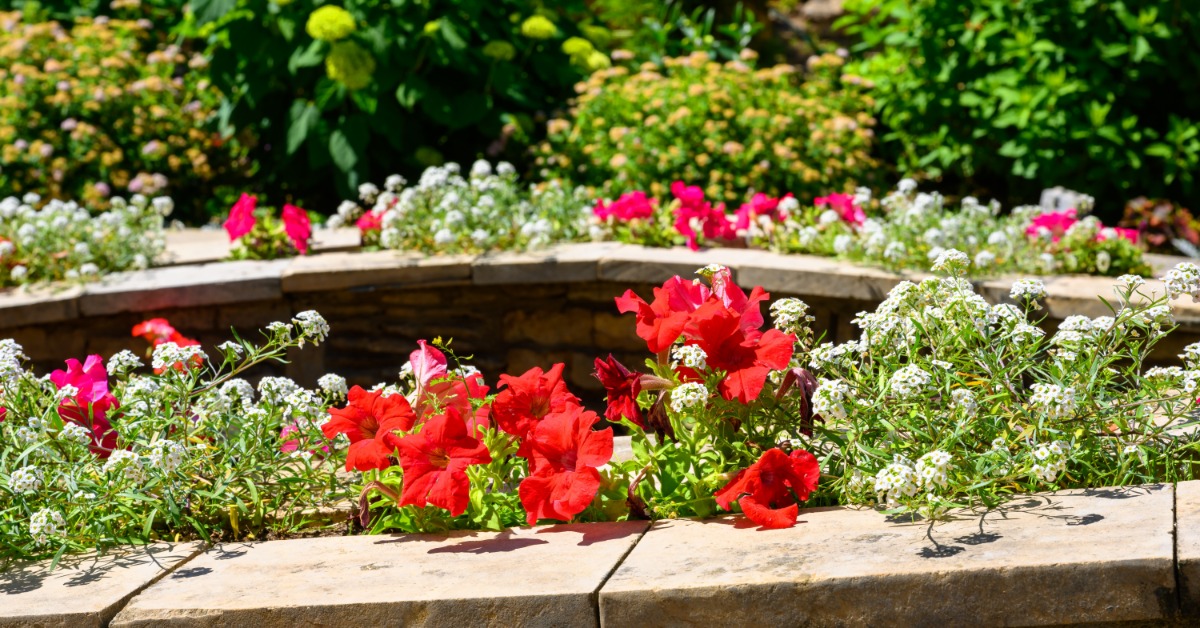
Choosing the right plants is essential for both performance and appearance. Not every variety thrives in the conditions created by a retaining wall, so your selections should align with your environment and design goals.
Focus on plants that complement both the structure and the regional climate. For homeowners living down south, that means choosing options that handle heat, humidity, and seasonal rainfall.
Consider incorporating:
- Ground covers that cascade naturally over wall edges
- Deep-rooted plants that support soil stability
- Drought-tolerant varieties suited for sun exposure
- Ornamental grasses that add movement and texture
Blending evergreen and seasonal plantings can also elevate the overall look. Evergreens provide structure year-round, while flowering plants introduce color and variation as seasons shift.
Balance Visual Appeal With Long-Term Durability
A well-designed outdoor space should hold its appeal over time, not just right after installation. That’s why it’s important to balance aesthetics with long-term performance when integrating plantings.
Avoid plants with aggressive root systems that may interfere with structural elements. At the same time, overly delicate or high-maintenance options can take away from the ease of enjoying your space.
Instead, prioritize plant selections that offer:
- Controlled growth without excessive spreading
- Moderate maintenance requirements for long-term care
- Compatibility with drainage and soil conditions
- Year-round visual interest through foliage or seasonal color
It’s also worth thinking about how your landscape will evolve. Plants grow and fill in, so planning for their mature size helps maintain a clean, intentional look without overcrowding.
Coordinate Drainage and Soil Conditions
Drainage is one of the most important parts of any retaining wall. When plantings are involved, it becomes even more critical to get it right.
Water needs to move efficiently through the system to prevent pressure buildup while still supporting healthy plant growth. A properly designed wall accounts for both structure and landscape performance.
Key components typically include:
- Gravel backfill to promote consistent water flow
- Perforated pipes to redirect excess runoff
- High-quality soil blends that support root development
- Grading strategies that guide water away from structures
Irrigation also plays a role in long-term success. Drip systems are often a smart choice, providing steady moisture without oversaturating the soil or compromising the wall.
Use Plantings To Shape Outdoor Living Spaces
Plantings do more than enhance appearance. They help define how your outdoor space is used. A well-designed retaining wall can create distinct zones that feel connected and intentional.
Greenery can frame patios, soften walkways, and add privacy to seating areas. This layered approach makes your outdoor space feel more complete and thoughtfully designed.
On sloped properties, plantings also help smooth transitions between elevations. Instead of sharp changes, you create a natural flow that improves both usability and visual appeal.
Strategic placement can even guide movement through the space. Subtle borders and focal plantings draw attention to key features like patios, pools, children’s playscapes, fire pits, or gathering areas.
Work With Experts for a Cohesive Result
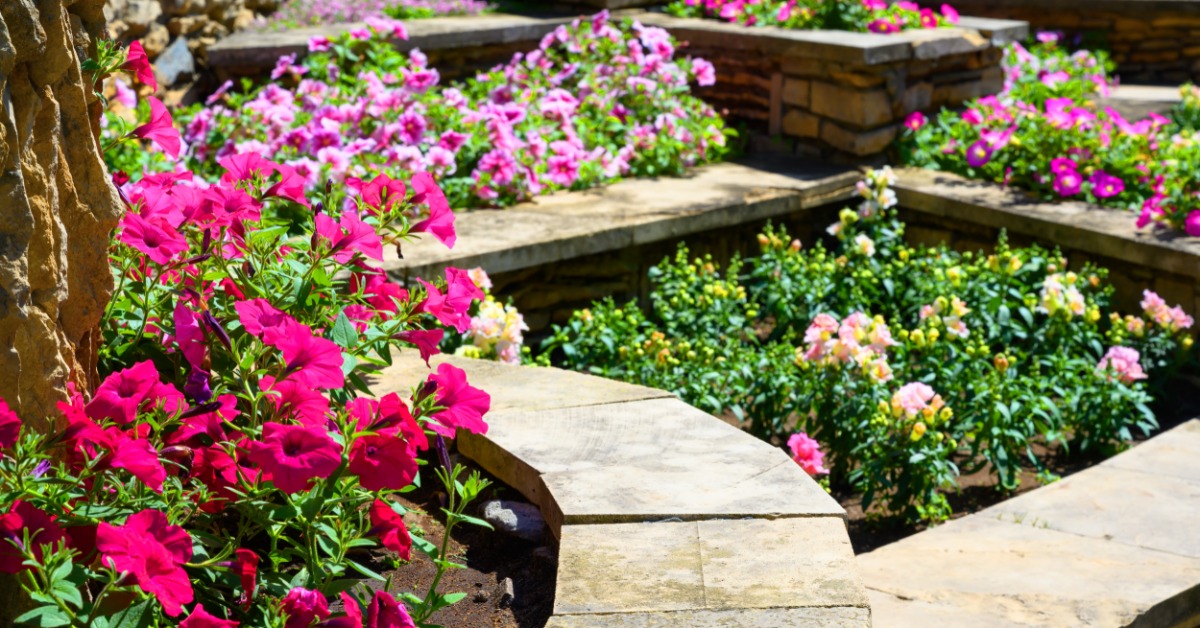
Building a retaining wall takes coordination between design, construction, and landscaping. Each element needs to work together to achieve both structural integrity and visual appeal.
An experienced team understands how to align materials, drainage systems, soil conditions, and plant selections for a seamless result. That level of planning ensures your retaining wall construction reflects premium craftsmanship and attention to detail.
Professional guidance also helps avoid common issues, from drainage problems to plant choices that don’t perform well over time. With the right approach, your retaining wall becomes a fully integrated part of your outdoor space.
From the first conversation to the final details, working with experienced professionals keeps everything organized and aligned with your vision.
Bring Structure and Nature Together
Integrating plantings into your retaining wall is about creating a space that feels complete. When the structure and greenery are designed together, the result is a landscape that looks polished and functions beautifully.
Whether you’re upgrading a sloped yard or planning a new outdoor living area, this approach adds lasting value. It turns a necessary structure into a feature that enhances how you use and enjoy your property.
If you’re planning a retaining wall project, partner with PNP Outdoor Development for a tailored, high-end result. Our team delivers durable materials, refined design, superior customer service, and seamless project management from start to finish. Reach out today to schedule your consultation and take the next step toward a more elevated outdoor space.
Add a Comment