
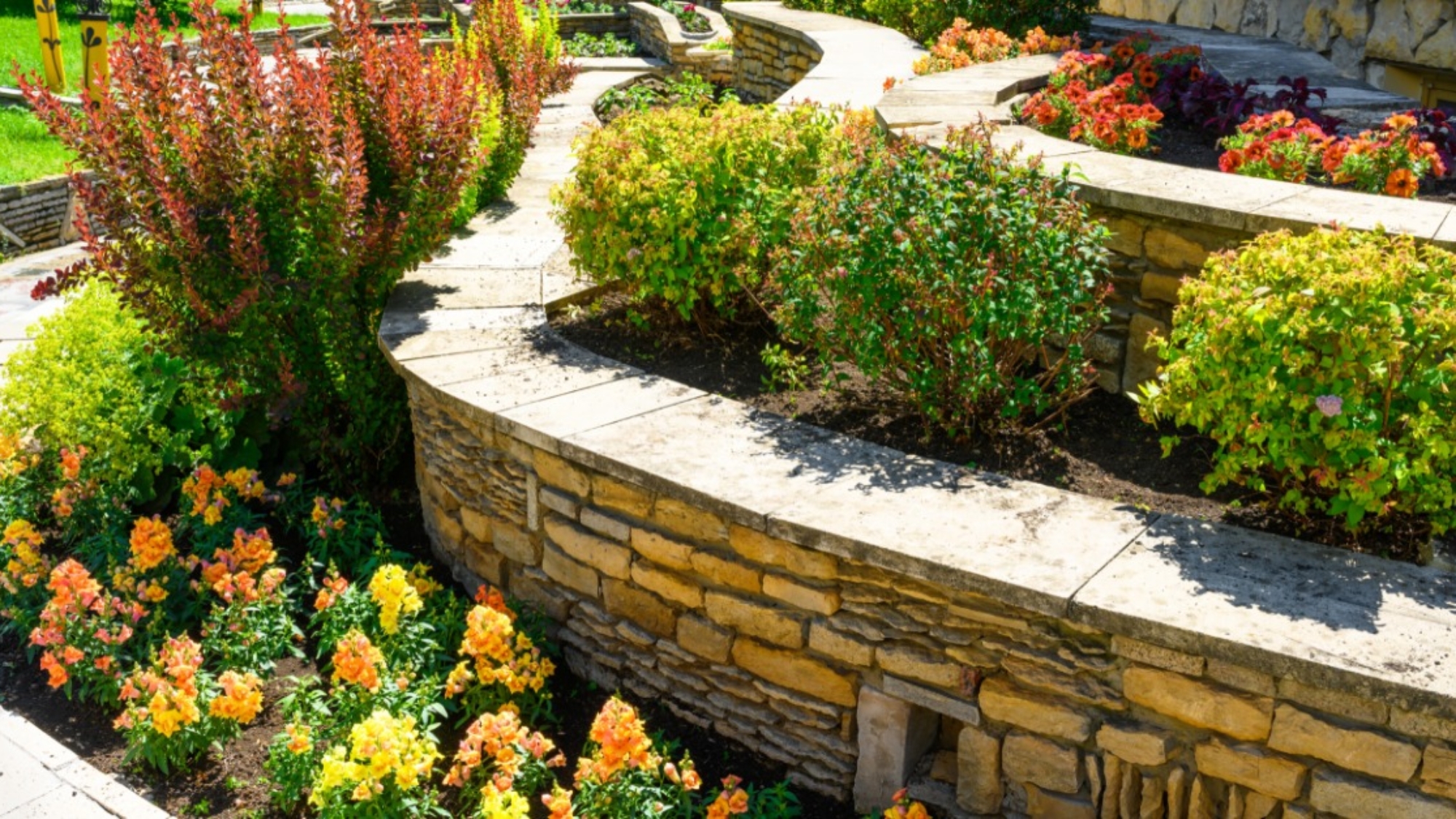
A retaining wall adds structure and beauty to your landscape, but its long-term performance depends on more than the wall itself. One of the most important details is proper drainage. Understanding retaining wall drainage systems and why they are important helps homeowners protect their investment while reducing water issues around their property.
When drainage is planned from the beginning, your retaining wall can better handle changing weather, preserve the landscape, and support lasting curb appeal. Whether you are planning a new installation or replacing an aging wall, drainage should never be treated as an afterthought.
Understand How Water Affects the Wall
Water is one of the strongest forces working against any retaining wall. After rainfall, moisture moves through the soil until it reaches a barrier. If that water has no clear path out, it begins collecting behind the wall.
This buildup creates hydrostatic pressure, which means pressure caused by trapped water in the soil. As that pressure increases, it pushes against the wall with steady force. Even a well-built wall can experience unnecessary strain when excess water has nowhere to go.
Over time, poor drainage can contribute to shifting soil, cracking, leaning, or movement within the wall. Water may also carry fine soil particles away from the base, weakening the support system below the surface. Addressing drainage early helps protect the structure while preserving the refined appearance of the finished landscape.
Understand What Drainage Includes
A retaining wall drainage system uses several hidden components that work together to manage water. These details may not be visible once the project is finished, but they have a major effect on long-term performance.
Common drainage features include:
- Perforated drainpipes that collect water and direct it away from the wall
- Gravel backfill that allows moisture to move instead of becoming trapped
- Drainage fabric that helps separate soil from stone
- Weep holes that allow water to exit certain wall designs
Each feature supports the same goal: keeping water from building up behind the wall. When these components are properly placed, they help reduce pressure while protecting the soil structure around the installation.
The right drainage approach depends on the property. The soil type, slope, wall height, and existing runoff patterns all influence how water moves across the landscape. A tailored system helps the wall fit the site rather than forcing a standard design onto a unique property.
This attention to detail is part of what separates a basic installation from premium craftsmanship. The finished wall may showcase stone, concrete, or segmental block, but the hidden drainage system helps preserve the quality behind that appearance.
Understand Why Drainage Protects the Property
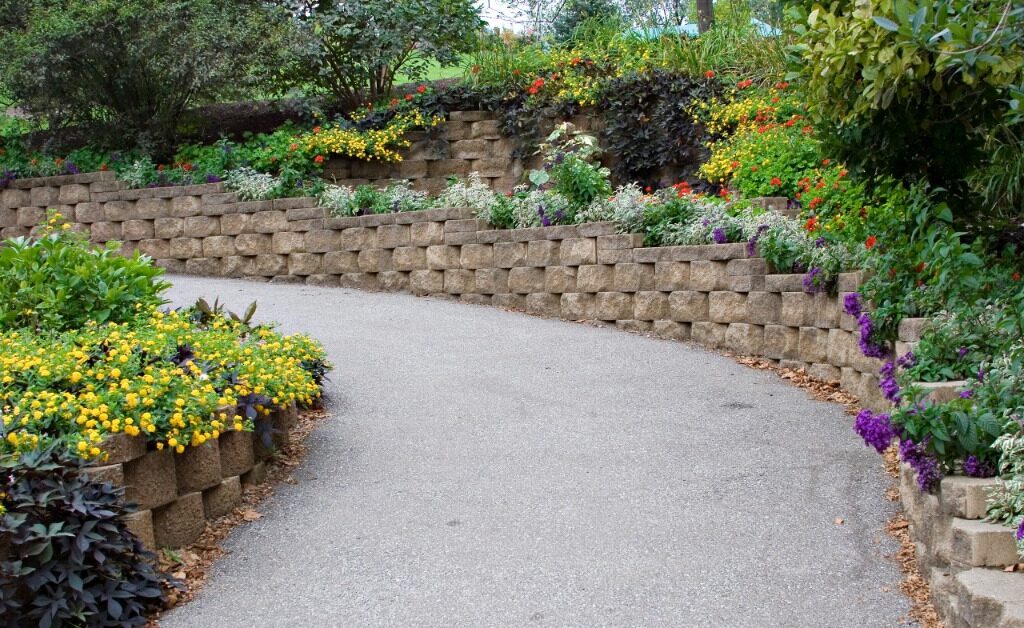
Drainage protects more than the retaining wall itself. It also helps maintain the outdoor spaces around it, including landscaped beds, hardscape surfaces, and nearby structures.
When water remains trapped behind a wall, the surrounding soil can become heavy and unstable. That instability may affect nearby patios or walkways. As soil shifts, those features may settle unevenly or lose the crisp, polished look that makes a landscape feel complete.
Drainage also plays an important role in erosion control. Instead of allowing runoff to wash soil downhill, a well-planned system moves water in a more controlled way. This helps protect plantings and supports the clean structure of the outdoor design.
For high-end residential properties, these details matter. A retaining wall is often part of a larger luxury outdoor living plan, not a standalone feature. Drainage helps ensure the wall supports the entire space.
Commercial properties benefit from the same planning. Walls near parking areas or walkways need practical water management that supports safety and everyday use. Strong drainage allows the landscape to remain both functional and visually refined.
Understand the Signs of Poor Drainage
Drainage issues often develop gradually. A wall may appear stable at first, but small warning signs can point to water collecting where it should not.
Signs of poor drainage may include:
- Bulging or leaning sections of the retaining wall
- Cracks in the wall or nearby concrete surfaces
- Standing water near the base after rain
- Soil washing away around landscape beds
- Wet spots that remain long after storms pass
These symptoms do not always mean the wall is failing. They do, however, deserve attention before the issue becomes more difficult to address. A professional evaluation can identify what is contributing to the problem.
Homeowners should pay close attention after heavy rain. If water consistently pools near the wall or the surrounding soil appears to shift, the drainage system may not be performing as intended.
Early attention can help preserve both the structure and the appearance of the landscape. That kind of proactive care supports the long-term value of a thoughtfully designed outdoor space.
Understand How Planning Shapes Performance
The best time to plan drainage is before the retaining wall is built. Adding drainage after the installation can be more complex because much of the system belongs behind or beneath the wall.
Professional planning begins with the property itself. The slope, soil conditions, and natural water flow all shape how the wall should be designed. These details help determine where water should collect and how it should exit the area.
A strong plan also considers the outdoor space as a whole. Patios, walkways, driveways, planting areas, and downspouts can all affect water movement. Coordinating these features creates a more seamless design while reducing the risk of future drainage problems.
This is where experienced retaining wall contractors provide meaningful value. They understand that a retaining wall is both a structural feature and a design element. The result should feel tailored to the property and guided by transparent communication from the first conversation.
Homeowners should feel informed, not overwhelmed by technical details. Clear explanations help you understand what the wall needs and why each drainage choice supports long-term performance.
Understand the Value of a Professional Installation
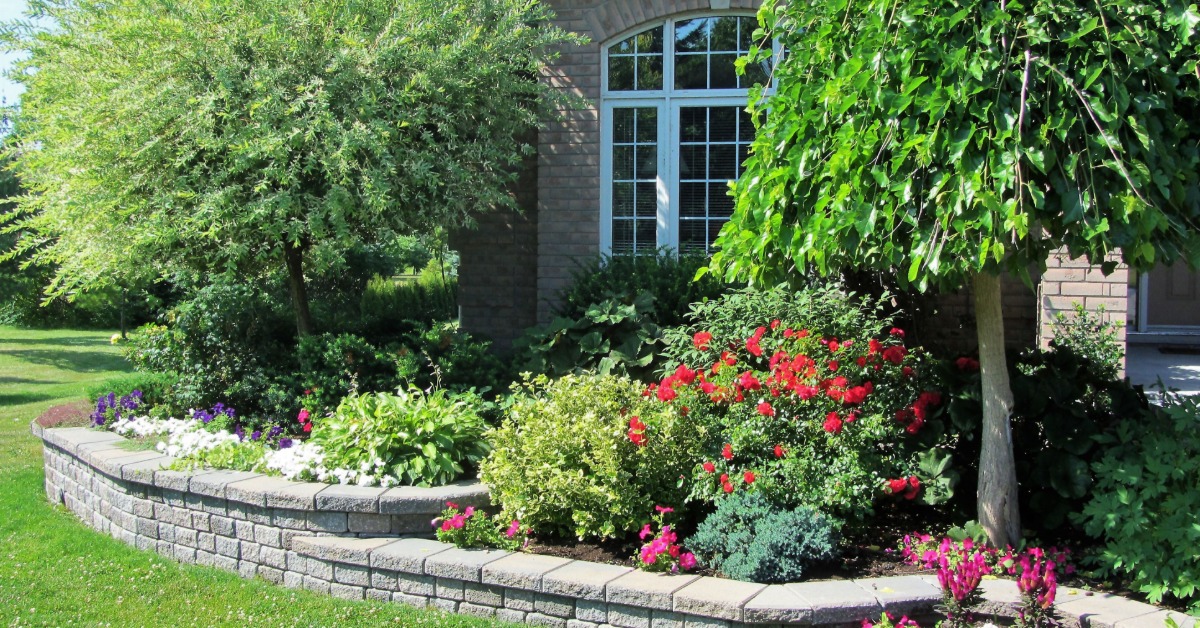
Retaining wall drainage is not just about placing a pipe behind the wall. It requires careful grading, proper material selection, and attention to how water behaves across the site.
A professional installation helps ensure the wall has the right foundation and backfill. Backfill is the material placed behind the wall to support drainage and stability. When the wrong material is used, water may become trapped instead of moving through the system.
Skilled crews also understand how to protect the wall from unnecessary pressure. They consider compaction and the relationship between the wall and nearby hardscape features. These details are difficult to correct after the project is complete, so precision matters from the beginning.
Understanding retaining wall drainage systems and why they matter in the planning process can also help homeowners ask better questions. Instead of focusing only on surface materials, you can evaluate how the wall will perform through seasonal changes and everyday use.
Build Strength Into the Landscape
A retaining wall should bring lasting structure to your property, not future uncertainty. Drainage is the hidden system that helps the wall stay strong, attractive, and dependable through changing conditions. When it is planned with care, the entire landscape benefits.
PNP Outdoor Development designs and builds outdoor spaces with premium craftsmanship, durable materials, and seamless project management. If you are planning a retaining wall or concerned about drainage around an existing one, contact our team to schedule a consultation and request a quote. We will help you create a tailored solution that protects your landscape and supports long-term value.
Add a Comment