
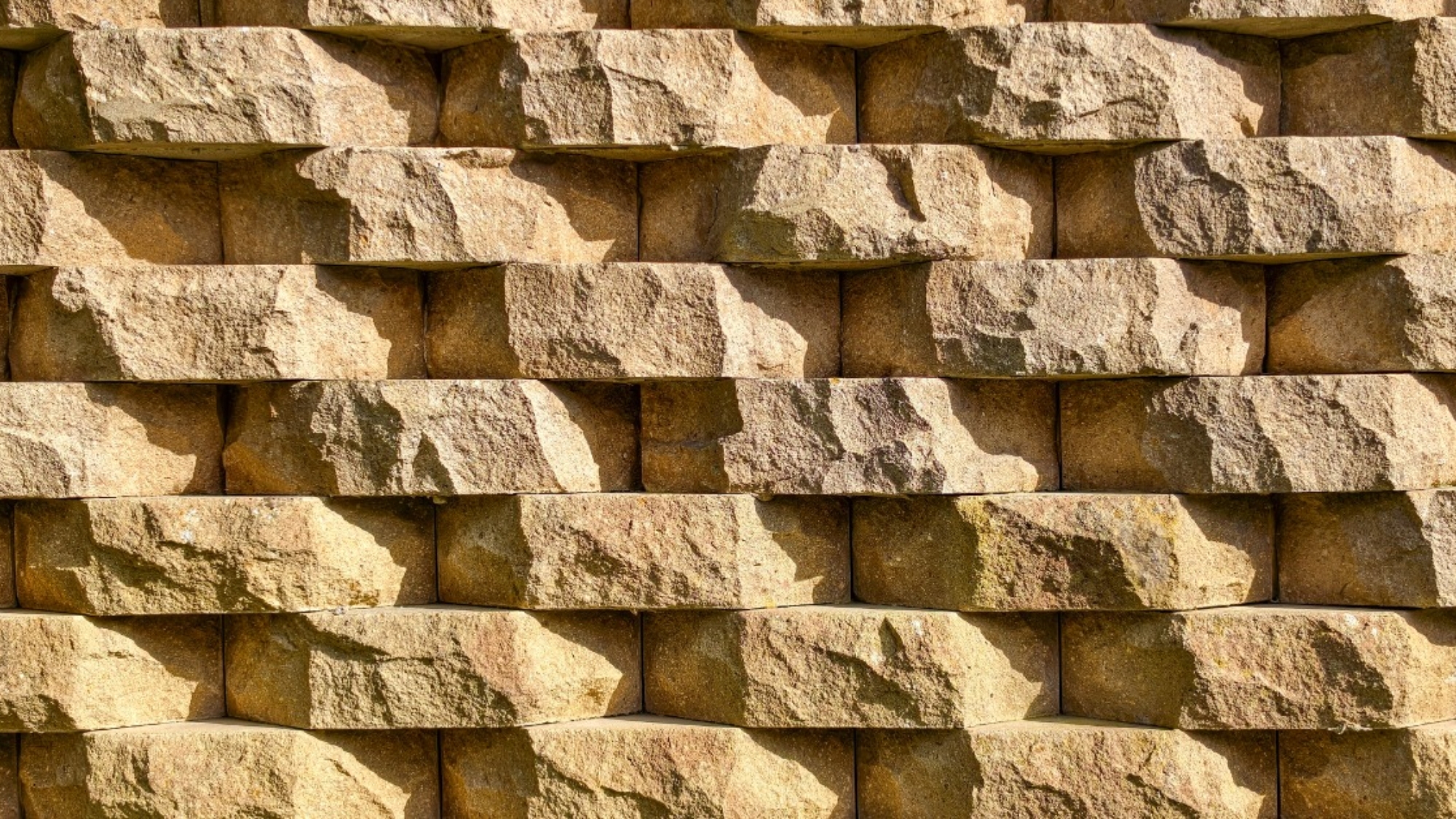
Choosing a retaining wall material is about more than deciding which surface will look best beside your home. The wall must also be able to support the landscape, work with drainage needs, and complement the surrounding hardscape.
Understanding the benefits of concrete block versus natural stone walls makes it easier for you to compare two attractive options without reducing the decision to appearance alone. Both materials can create a distinctive landscape, but they offer different advantages in design flexibility, installation, upkeep, and overall character.
How Do Concrete Block and Natural Stone Walls Differ?
Concrete block retaining walls are built from manufactured units designed to fit together. Depending on the product, blocks may feature textured faces, varied colors, or profiles intended to resemble natural stone. Their uniform dimensions give contractors predictable building components while allowing for curves, corners, tiers, and other design details.
Natural stone walls, on the other hand, use stone pieces with organic variations in shape, color, and texture. Each piece contributes to a less uniform appearance, which can make the finished wall feel established and closely connected to the landscape. Building with natural stone typically requires careful selection and placement so that the individual pieces work together visually and structurally.
How Does Concrete Block Support Design Flexibility?
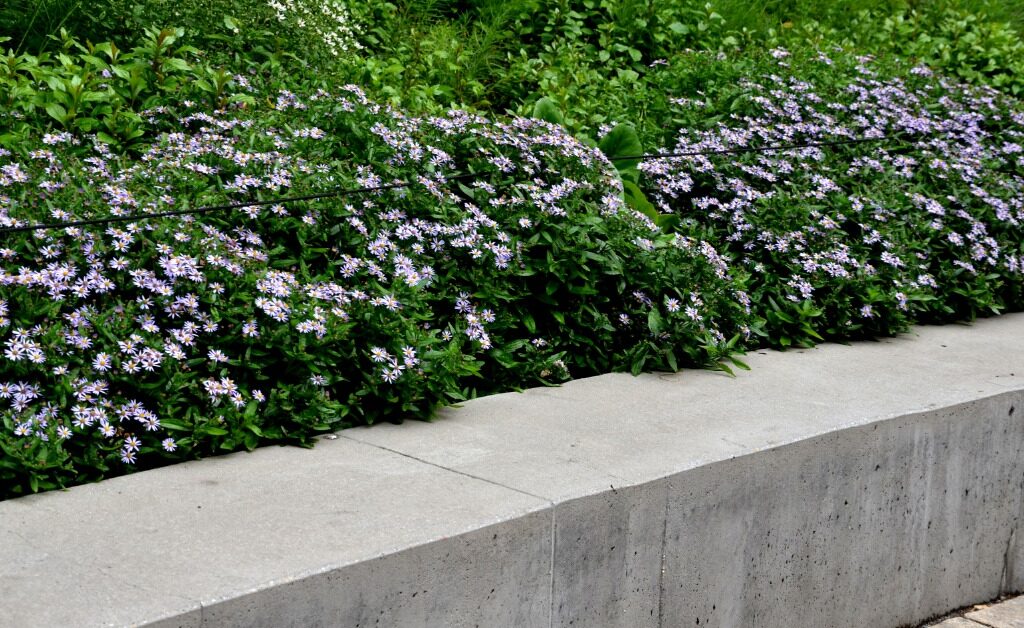
Concrete block offers a controlled, repeatable look that works well when a landscape calls for clean lines and visual consistency. Because the units are manufactured to defined dimensions, the wall can coordinate neatly with patios, walkways, steps, and other structured hardscape features.
Manufactured block also gives homeowners choices in surface texture and color without having to rely on the natural variation of stone. That flexibility can be useful when the goal is to complement a home’s exterior or carry a consistent material palette through a larger outdoor living project.
Concrete block can be especially appealing for:
- Curved or tiered retaining walls
- Landscapes with defined geometric lines
- Coordinated patios, walkways, and steps
- Projects that call for consistent color and texture
How Does Natural Stone Create Distinctive Character?
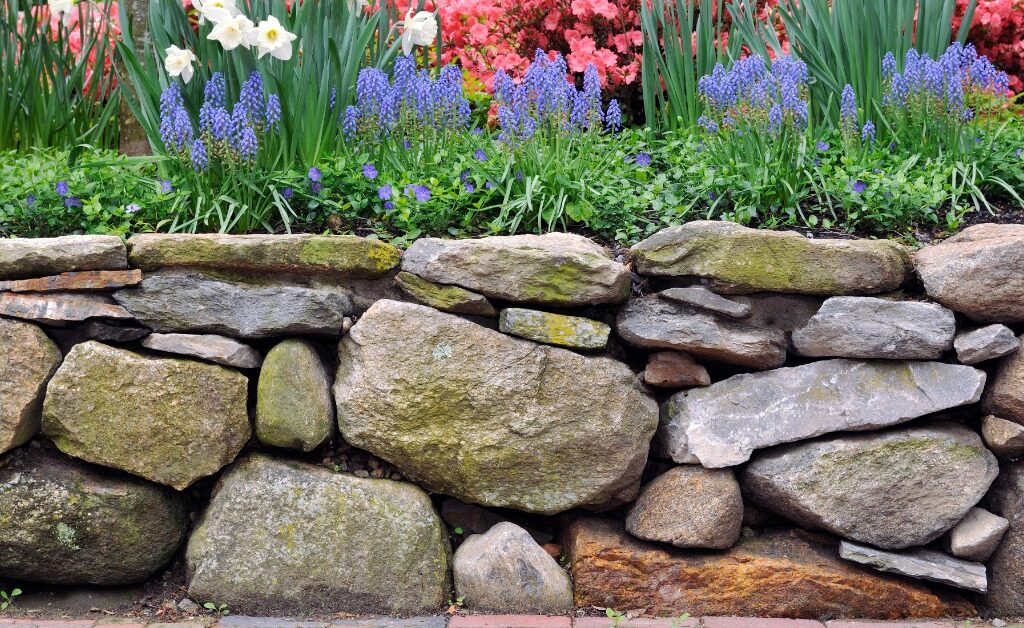
Natural stone’s primary design advantage is authenticity. Variations in the material create depth and texture that manufactured units can’t reproduce exactly. A stone wall can feel especially at home beside mature plantings, wooded lots, traditional architecture, or landscapes designed around an organic aesthetic.
That variation also means that no two natural stone walls look precisely alike. Stone size, shape, and color influence the final composition, giving experienced installers opportunities to create walls with highly individual characters.
How Do the Materials Compare for Retaining Wall Performance?
A retaining wall has to manage forces that decorative garden edging does not. Soil pushes against the wall, and water behind the structure can increase pressure if the project doesn’t include appropriate drainage. Material selection therefore needs to be considered alongside the wall’s base, backfill, drainage approach, and site conditions.
Segmental concrete block systems can accommodate some ground movement because the units form an interlocking system rather than a continuous rigid surface. Properly constructed natural stone walls can also provide substantial support, but their performance depends heavily on the design and the careful placement of irregular pieces.
Neither material removes the need for thoughtful site preparation. Professional retaining wall services should account for the slope, soil, water movement, and intended use of the surrounding space before construction begins.
How Do Drainage Needs Affect the Choice?
Regardless of the material, drainage is a central part of retaining wall stability. Water that collects behind a wall adds pressure and can contribute to soil movement or other problems around the landscape.
The appropriate drainage solution depends on the property, so drainage planning should happen along with the wall design, not after the wall is already in place.
For properties with existing runoff concerns, the wall may also need to fit into a broader water-management plan. Looking at grading, hardscape surfaces, and drainage together protects the wall as well as nearby outdoor areas.
How Do Maintenance and Repairs Compare?
Concrete block’s modular construction can make localized repairs more practical in some situations. If an individual unit sustains damage, only the affected area can be addressed. Natural stone is durable, but repairs may require more craftsmanship because replacement pieces need to fit the existing wall in both shape and appearance. Its irregular surface may also collect soil or organic material in crevices.
For either option, homeowners should watch for changes such as leaning, bulging, unexpected water accumulation, or soil washing out near the wall. Those signs can point to conditions beyond routine surface maintenance.
How Does Each Material Shape Long-Term Landscape Value?
The benefits of concrete block versus natural stone walls become clearest when you evaluate the material as part of the entire property. A wall that suits the home’s architecture, supports the site’s practical needs, and connects visually with the surrounding hardscaping can contribute more to curb appeal than a material selected in isolation.
Concrete block often suits homeowners who value consistency, design versatility, and a polished hardscape system. Natural stone may be the stronger aesthetic choice for homeowners who prioritize organic texture, one-of-a-kind variation, and a timeless connection to the landscape.
Long-term value also comes from what the wall makes possible. By stabilizing a slope or defining changes in elevation, a thoughtfully designed retaining wall can allow for planting areas, terraces, walkways, or outdoor gathering spaces.
How Can You Choose the Right Wall for Your Property?
Start with the conditions of the site, and then consider the property’s visual direction. A retaining wall should solve any landscaping problems first while supporting the larger outdoor design. Consider these questions:
- Does the property call for crisp consistency or natural variation?
- Will the wall connect to a patio, a walkway, steps, or other hardscaping?
- How does water currently move across the site?
- Is the wall primarily structural, decorative, or serving both purposes?
- Which material best complements the home’s architecture and landscape?
An experienced outdoor construction team can evaluate those factors together rather than treating material selection as a stand-alone decision. That approach ensures that the finished wall feels intentional.
Which Retaining Wall Is Right for Your Landscape?
Concrete block and natural stone can both create durable, visually impressive retaining walls—when the design, site preparation, and drainage plan support the material. The right choice depends on your property’s conditions, the surrounding architecture, and the character you want to bring to your outdoor space.
PNP Outdoor Development helps homeowners plan outdoor improvements, with an emphasis on premium craftsmanship, practical site solutions, and cohesive design. Request a quote or schedule a consultation to discuss a retaining wall that supports your landscape while enhancing your property’s long-term value and curb appeal.
Add a Comment