
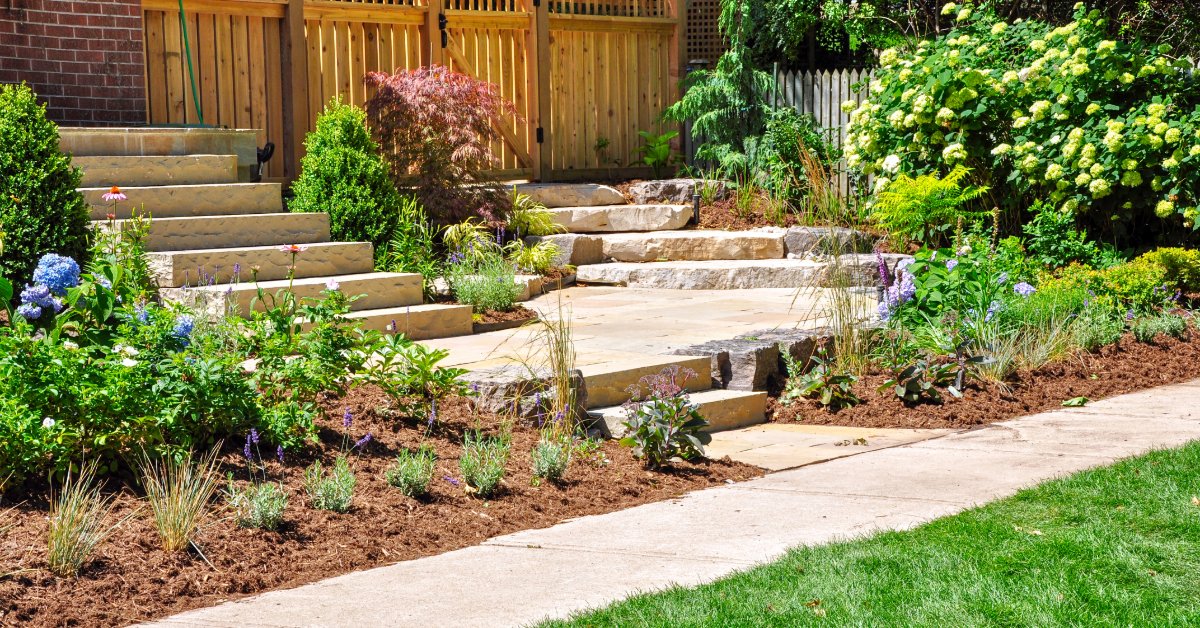
A sloped property can become one of the most distinctive parts of a refined outdoor space when the design works with the land instead of fighting it. Concrete can create elegant gathering areas, durable walkways, and smooth transitions across uneven ground. Still, designing concrete scapes on sloped ground takes more than choosing a finish or sketching a layout.
The best results begin with thoughtful planning. With the right approach, a challenging grade can become a polished outdoor feature that adds beauty, function, and long-term value.
Evaluating the Slope Before Design Begins
Every concrete project on sloped ground starts with the existing grade. The grade refers to the angle or rise of the land, and it affects the way concrete should be placed and supported. A gentle slope may only need subtle adjustments. A steeper property may call for retaining walls or terraced sections.
This early evaluation helps shape the entire project. It shows where water naturally flows and where soil may shift over time. For luxury outdoor living spaces, the goal is not to erase the slope completely but to use it with intention.
A skilled outdoor construction company can assess how the property conditions and intended use work together before installation begins. That planning helps protect the finished surface and support a polished final design.
Planning Drainage Into the Layout
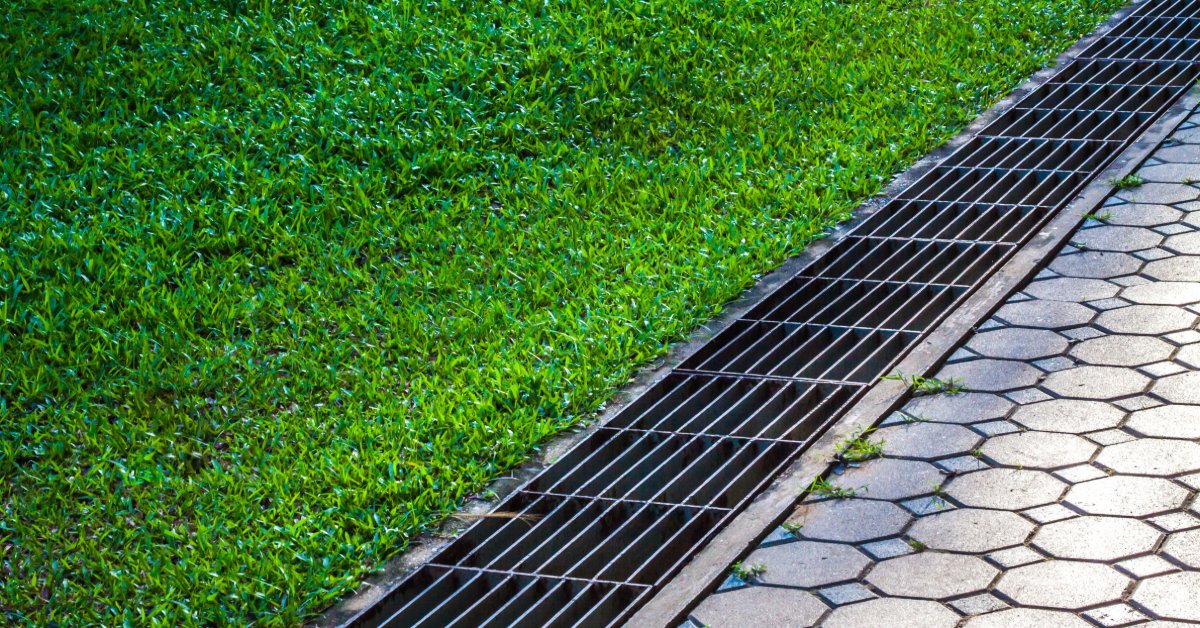
Drainage is one of the most important factors in any sloped concrete project. Water follows gravity, and on an incline, poor drainage can quickly undermine the finished surface. Pooling water may stain concrete or create slippery spots. Runoff can also wash soil away from nearby landscape areas.
Proper drainage may include subtle surface slopes or carefully placed outlets. Some projects also benefit from gravel bases or drain channels. When integrated early, these elements support the design instead of interrupting it later.
Homeowners should also think about how water behaves during heavier rain. A patio that looks level may still need a slight pitch to move runoff away from the home. Walkways may need drainage along the edge to help reduce soil washout.
Smart drainage supports both beauty and performance. It helps preserve the concrete and protect nearby landscaping. These practical details are what allow the design to feel effortless.
Choosing Materials That Suit the Grade
Concrete offers many design possibilities, but sloped ground requires finishes that match the property’s conditions. The surface should feel elevated while also supporting movement and long-term durability. Smooth finishes may look sleek, but they may not be ideal for areas that receive frequent rain.
Textured finishes often work well on sloped concrete surfaces. Broom finishes provide dependable traction. Exposed aggregate adds visual depth and a naturally slip-resistant feel. Stamped concrete can bring the look of stone while maintaining the strength of a continuous slab.
The right choice depends on the purpose of the space. A driveway apron has different needs than an outdoor dining terrace. A garden path should feel inviting. A poolside walkway should support steady footing.
Color also plays a role in the final look. Soft, natural tones can help concrete settle into the landscape. Stronger finishes can create a more defined architectural statement. These details help the project feel tailored rather than standard.
Creating Usable Outdoor Zones
One of the greatest advantages of working with sloped ground is the opportunity to create layers. Instead of one flat outdoor area, the property can become a series of connected spaces with distinct purposes. Concrete can define these areas with clean lines and durable surfaces.
A thoughtful layout may include:
- A level patio for outdoor dining
- A stepped walkway for safe movement
- A lower lounge area for relaxed seating
- A reinforced pad for a built-in feature
These zones make the landscape more functional without losing its natural character. They also help homeowners enjoy areas that may have once felt too steep or awkward to use.
Transitions matter just as much as the zones themselves. Steps and landings should feel comfortable underfoot. Retaining walls can create structure while adding visual depth. Walkway curves can soften the design and help the space feel more connected.
A sloped yard should not feel like a series of disconnected fixes. It should feel like a complete outdoor environment shaped with purpose.
Protecting Structural Stability Over Time
Concrete on sloped ground must be designed with long-term support in mind. Soil movement and water pressure can both affect the performance of the finished surface. Regular use adds another layer of stress. Without proper preparation, concrete may show settlement or cracking before it should.
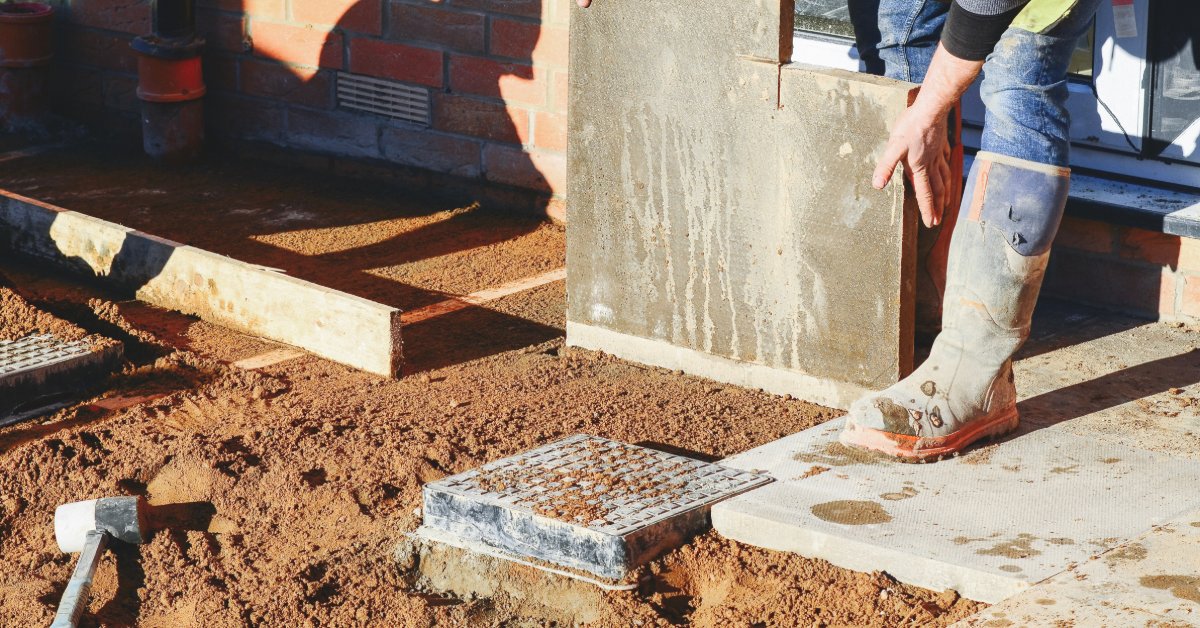
A strong base is essential. The base sits beneath the concrete and helps distribute weight evenly. Depending on the site, crews may need to remove unstable soil or compact the ground before pouring. Gravel may also be used to support drainage and stability.
Retaining walls may also play a role. These walls hold soil in place and help create level sections on steep land. When designed well, they add structure and become part of the overall landscape design.
Expansion joints are another important detail. These planned breaks allow concrete to move slightly as temperatures change. They help reduce uncontrolled cracking while keeping the surface clean and orderly.
Structural planning may not be the most visible part of the project, but it protects everything the homeowner sees and uses. A refined concrete scape should look beautiful on installation day and continue performing well as the seasons change.
Balancing Safety With Luxury Design
Sloped concrete surfaces need to feel comfortable and secure. That does not mean the design has to look purely practical. With the right planning, safety can blend into the overall aesthetic.
Steps should have a consistent rise and depth, which helps people move naturally from one level to another. Walkways should be wide enough for comfortable use and placed along logical traffic patterns. Edges should be clear without feeling harsh.
Lighting can also elevate both safety and atmosphere. Low-voltage lighting along steps or wall edges can guide movement after dark while highlighting craftsmanship. A soft glow across textured concrete can make the space feel warm and complete.
Railings and seating walls may also support safe use when the slope is more dramatic. With premium materials, these features feel like part of the outdoor living experience rather than afterthoughts.
Bringing the Concrete Scape Together
Designing concrete scapes on sloped ground is ultimately about balance. The project must respect the property’s natural grade and manage water carefully. It should also support structural stability while creating a space that feels elegant in everyday use. Together, those elements turn a challenging slope into a distinctive outdoor feature.
For homeowners seeking premium craftsmanship and seamless project management, PNP Outdoor Development can help shape a sloped property into a durable, refined outdoor living space. From concrete planning to drainage solutions and structural site preparation, our team brings thoughtful guidance to every detail. Schedule a consultation or request a quote to begin planning a concrete scape built for beauty, function, and long-term value.
Add a Comment