
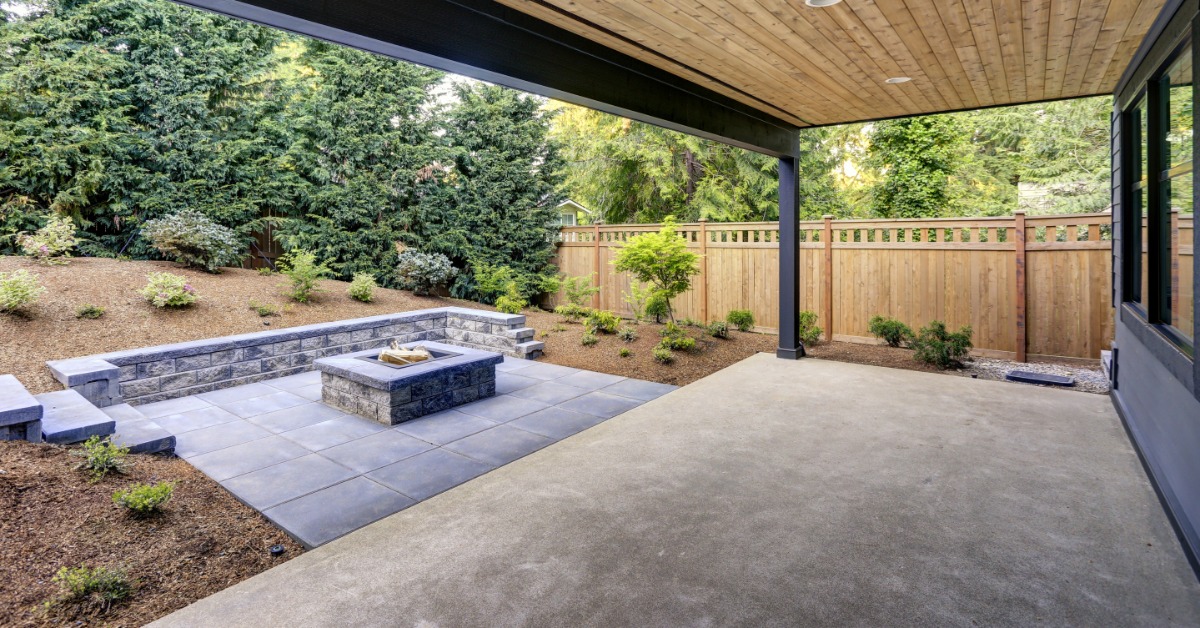
A new patio or walkway does more than give you a place to step outside. It sets the tone for the landscape and can become the visual foundation for an entire outdoor living area. That is why choosing between pavers and poured concrete deserves more thought than simply picking the surface you like best.
When comparing both options for your project, consider how each material will perform and fit the site. Both can create a polished result, but they offer different strengths that may make one a better match for your property.
Design Character and Visual Impact
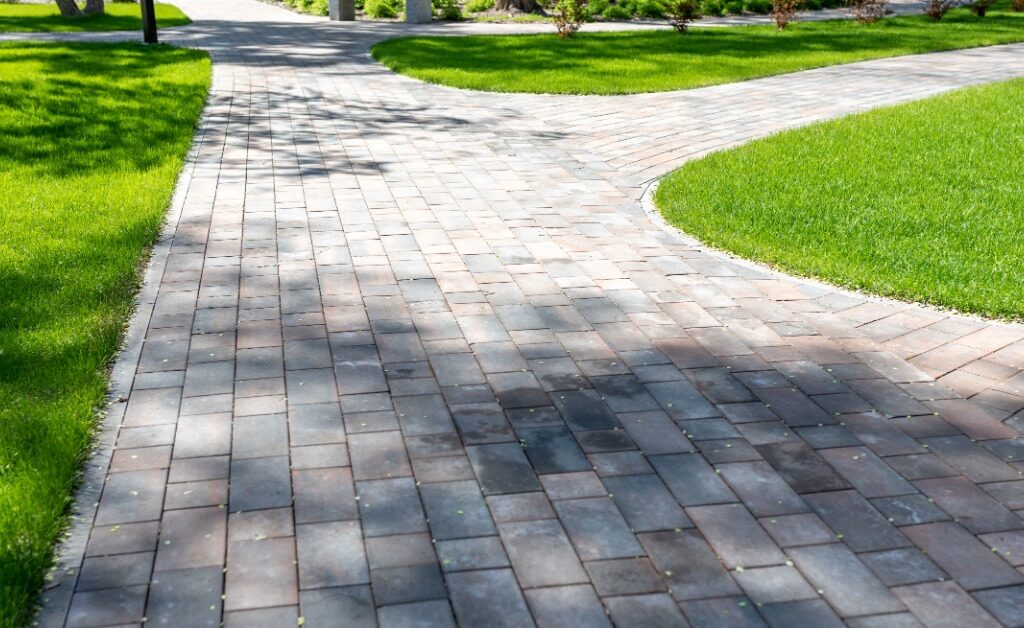
Pavers are individual units installed over a prepared base, so the joints and laying pattern become part of the design. That modular construction gives the surface visible rhythm and texture. Depending on the layout, pavers can feel traditional or highly tailored to the home’s architecture.
They also make it easier to introduce detail without relying on a single finish. Borders can frame a patio, while contrasting patterns can define gathering areas. For homeowners who want the hardscape itself to play a noticeable role in the design, that flexibility can be appealing.
Poured concrete creates a more continuous look. Its clean lines work especially well when the goal is a broad, uncluttered surface that lets surrounding landscaping or architectural details take the lead.
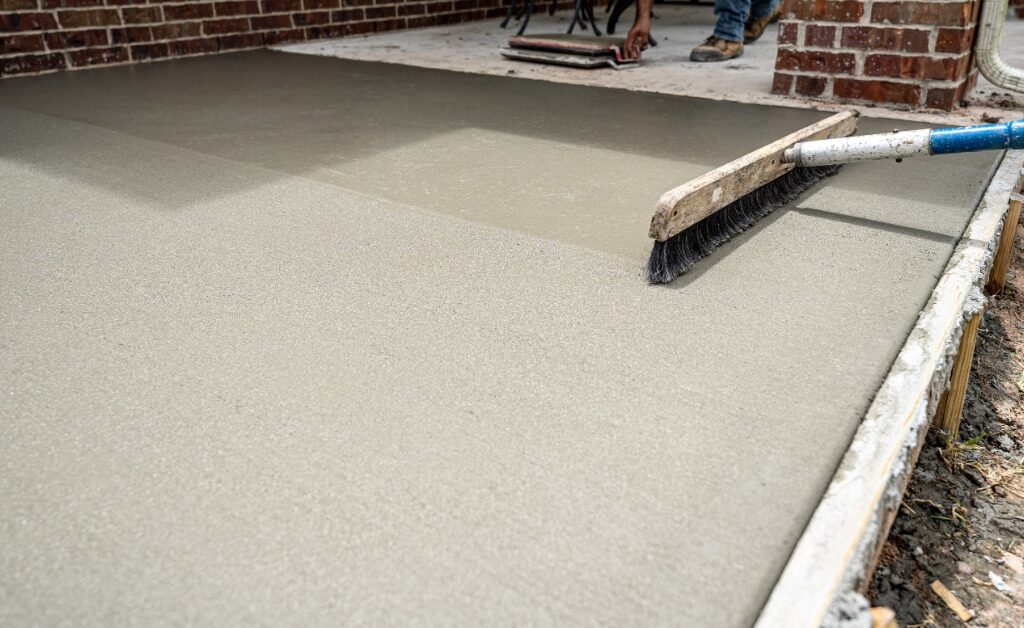
The finish can still give concrete plenty of character. A broom finish creates subtle texture, while exposed aggregate reveals the stone within the surface. Stamping or color treatments can add another layer of customization when a more decorative appearance suits the project.
Everyday Performance and Repair
Both materials can support busy outdoor spaces when the underlying site is prepared correctly. The practical difference comes from the way each surface is built and how it responds when movement or localized damage occurs.
Because pavers remain separate units, they can accommodate small amounts of ground movement without cracking across a continuous slab. If an individual unit becomes damaged, it may be possible to replace that section without disturbing the entire surface. The joints between pavers, however, still require ongoing upkeep.
Poured concrete creates a solid, unified surface that works well for patios and walkways. Cracking can still occur as the ground and surrounding conditions change. Proper base preparation and intentional control joints support a more predictable performance.
Maintenance and Long-Term Appearance
Pavers and poured concrete require different types of upkeep rather than one material being universally easier to own. Paver joints may need periodic attention as the surface ages. Keeping those joints and the surrounding area clean helps preserve the crisp appearance that makes pavers attractive.
Poured concrete eliminates most of the small joints associated with modular pavers. That can give the surface a cleaner appearance and make routine cleaning straightforward. Decorative finishes may have their own care considerations, so choose a finish with long-term upkeep in mind.
Before choosing, think about the kind of maintenance that fits your expectations:
- Do you prefer a continuous surface with fewer visible seams?
- Would replacing a small isolated area be important to you?
- How much visual variation are you comfortable seeing as the surface ages?
- What level of routine cleaning and maintenance suits the way you use the space?
Site Preparation and Drainage
The most attractive hardscape still depends on what happens below the finished surface. A patio or walkway needs a properly prepared base that supports the material and accounts for the property’s conditions. Skipping that groundwork can undermine even a premium material choice.
Drainage is especially important. Water should move away from vulnerable areas rather than collect beside the home or across frequently used surfaces. The surface design therefore needs to work with the property’s existing grade and broader water-management plan.
Sloped sites can require additional coordination. A new hardscape may need to connect with retaining walls or other grade transitions so the finished space feels intentional rather than pieced together. Those surrounding conditions can also affect the shape of the project and how people move through it.
Looking at drainage and site preparation together helps create a hardscape that feels integrated with the property from the start. That planning supports both the finished appearance and the way the space functions over time.
The installation approach may also vary depending on how the surface meets nearby steps, walls, planting beds, or existing hardscape. Those transitions need to feel intentional, both visually and functionally. Planning them early helps avoid awkward elevation changes and gives the finished patio or walkway a more cohesive relationship with the rest of the property.
Material Selection and Project Fit
Pavers are often a strong choice when the surface itself is meant to add pattern, texture, and architectural detail. Their modular format can define edges clearly and create transitions between different outdoor areas. They may also appeal to homeowners who value the ability to address an isolated section if damage occurs.
Poured concrete is often better suited to projects that call for cleaner visual continuity. A broad patio or walkway can feel calm and refined when the surface reads as one composition, while different finishes allow the concrete to take on a more decorative character when needed.
When choosing between pavers and poured concrete for your project, consider more than appearance. Think about how the space will be used, how much maintenance you are comfortable managing, and how the new surface needs to work with the surrounding property. Site conditions and drainage should also factor into the decision, especially when the hardscape connects with other existing outdoor features.
Neither material is universally better. The stronger option balances the look you want with the project’s practical demands, creating a hardscape that feels intentional from the ground up.
A Surface Designed Around Your Property
A well-designed patio or walkway should feel like a natural extension of your home, not an isolated construction project. Pavers and poured concrete can both deliver durable, polished results when the material suits the site and the installation is planned with care.
If you are planning outdoor construction in Phenix City, AL, PNP Outdoor Development can help you compare pavers and poured concrete based on your property, design goals, and long-term priorities. Request a quote or schedule a consultation to plan a hardscape that feels cohesive with your landscape and is built around the way you want to use the space.
Add a Comment