
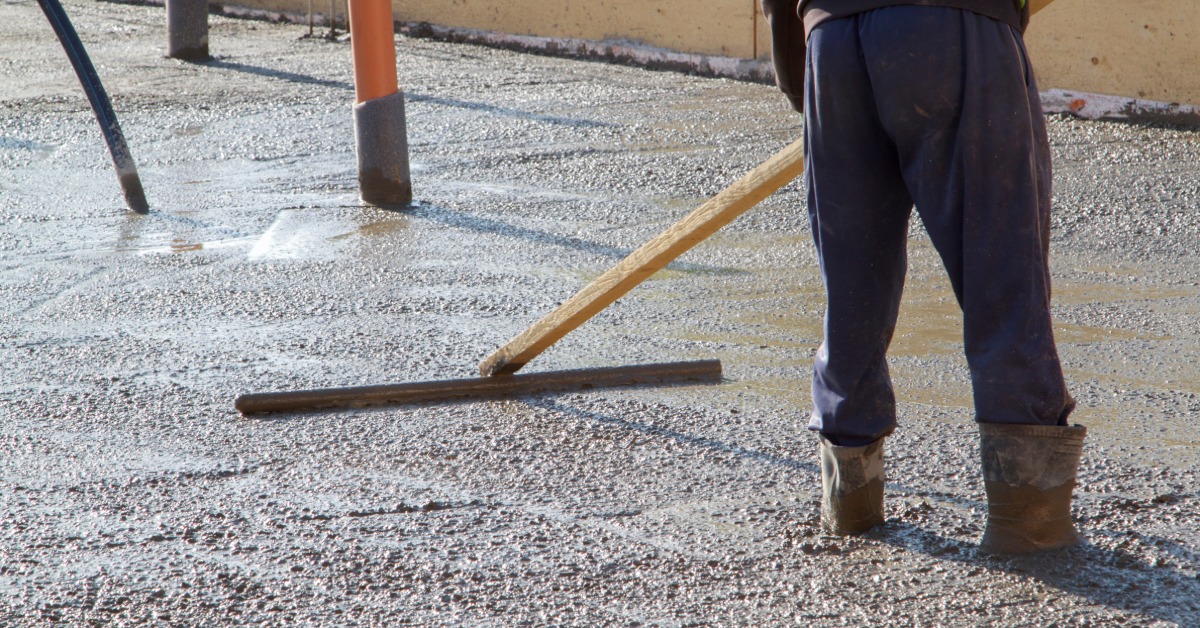
A well-designed concrete surface should feel like a lasting extension of your home. Preventing cracks in residential concrete scapes begins well before fresh material reaches the site. It depends on thoughtful preparation and careful control of water and movement.
Concrete is strong, but it is not completely rigid. Soil can settle, temperatures can change, and moisture can shift beneath the slab. When every part of the project works as one system, the finished surface is more likely to retain its refined appearance and dependable performance.
Prepare the Site for Lasting Support
Every durable concrete surface begins with the ground beneath it. Crews must remove loose soil and organic debris before building the base. Materials that decay or compress later can leave empty spaces beneath the slab, creating uneven support.
The exposed soil also needs to be evaluated for stability. Previously disturbed ground, soft areas, and steep grades may require additional excavation or a more tailored base design. Rushing this stage can leave a beautifully finished surface resting on unreliable ground.
A compacted aggregate base creates a firm, even platform for the concrete. Crews typically place the material in controlled layers and compact each one before adding the next. This process reduces settling and helps distribute weight across the slab instead of concentrating pressure in isolated areas.
Select a Mix Suited to the Project
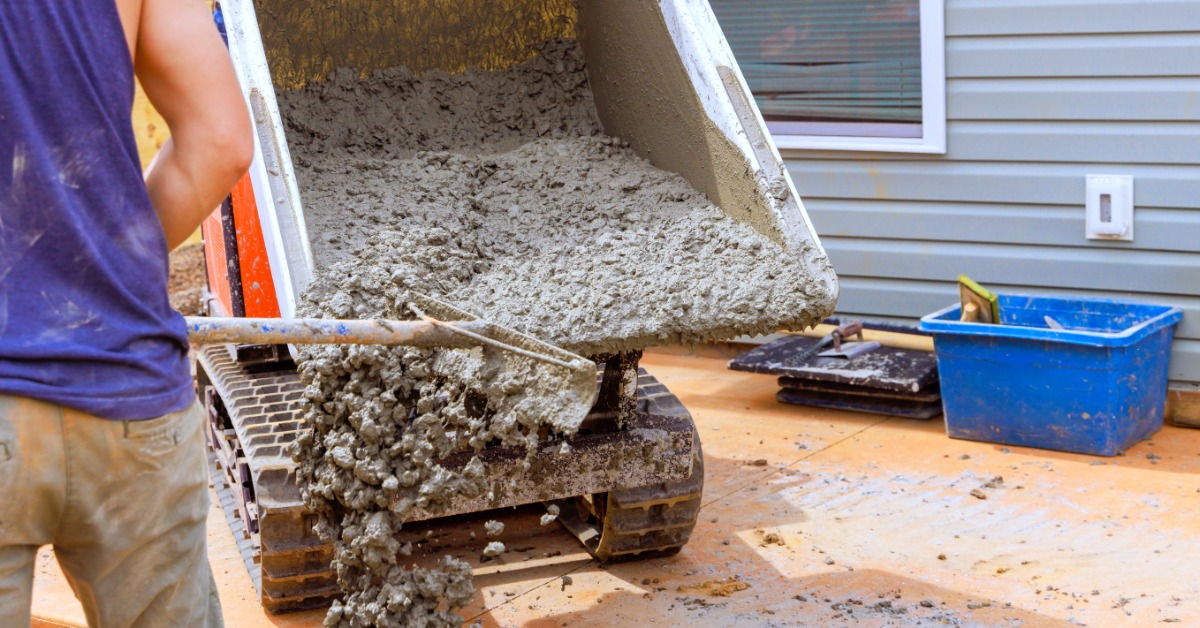
Concrete mixes should reflect how the finished surface will be used. A driveway that carries vehicles faces different demands than a garden path or covered patio. Exposure to rain and direct sun can also affect which mix and finish are most appropriate.
The amount of water in the mix deserves particular attention. Excess water may make fresh concrete easier to place, but it can also increase shrinkage and reduce the strength of the cured slab. A controlled mix supports a denser surface with better long-term performance.
Several project details help determine the right mix:
- The expected weight and traffic
- The planned slab thickness
- The chosen texture or decorative finish
- The site’s exposure to moisture
- The reinforcement strategy
Homeowners do not need to manage these technical decisions alone. An experienced contractor can explain why a particular mix fits the project and how it supports the desired result.
Reinforce the Slab Where It Matters
Reinforcement helps concrete handle tension and control movement. Depending on the application, a contractor may recommend steel reinforcing bars or welded wire reinforcement. Fibers added to the mix may also play a role in the overall strategy.
These materials do not prevent every crack, but they can help limit separation and keep the slab working as a unified surface. The right choice depends on how the concrete will be used and what conditions it will face. A residential driveway, for example, may call for a different approach than a decorative walkway.
Proper placement is just as important as the material itself. Reinforcement that rests on the ground cannot support the middle of the slab as intended. Crews use supports to position it within the concrete, where it can provide greater structural value.
Manage Water Before It Reaches the Concrete
Water can undermine even a carefully poured slab when it collects in the wrong places. Runoff may soften the soil or carry away base material. Over time, those changes can lead to cracking, settlement, or uneven edges.
The finished concrete should slope gently toward an appropriate drainage area. That slope may be subtle, but it plays a major role in keeping water from pooling on the surface or flowing toward the home. Drainage channels or swales may also be appropriate when the property receives concentrated runoff.
Roof drainage deserves equal consideration. A downspout that empties beside a patio or driveway can saturate the same section of soil after every storm. Extending or redirecting that discharge can protect the base while preserving the surrounding landscape.
Place Joints To Control Natural Movement
Concrete expands and contracts as conditions change. It also shrinks slightly while curing. Control joints create intentional lines where that movement can occur in a more orderly way, reducing the chance of random cracks spreading across the visible surface.
The placement of these joints should reflect the slab’s shape and dimensions. Long, uninterrupted sections are more likely to develop stress because the material has fewer planned locations to move. Corners and narrow transitions also require careful attention.
Expansion joints may be needed where new concrete meets a fixed structure. Common locations include foundations and existing slabs. The flexible separation allows the materials to move independently instead of pressing against each other.
Cure the Surface Patiently
Concrete does not reach its intended strength as soon as finishing is complete. It needs time and controlled moisture to cure evenly. When the surface dries too quickly, the upper layer can shrink before the rest of the slab has developed sufficient strength.
Hot sun and wind can accelerate moisture loss. Contractors may use curing compounds, coverings, or moisture-retention methods to protect the slab during this stage. The appropriate approach depends on the project conditions and selected finish.
Access should also remain limited while the concrete develops strength. A surface may look ready before it can safely handle foot traffic or heavier loads. Clear communication about when the area can be used helps protect the craftsmanship beneath the finished appearance.
Maintain the Concrete as the Property Changes
Preventing cracks in a residential concrete scape continues after installation. Landscaping matures, drainage patterns shift, and nearby soil can settle. Periodic attention helps homeowners identify changes before they place unnecessary stress on the slab.
Routine care may include:
- Clearing debris from control joints
- Keeping downspouts directed away from slab edges
- Cleaning spills before they stain the finish
- Watching for soil loss beside the concrete
- Resealing decorative surfaces when appropriate
Trees and large shrubs also deserve attention as they grow. Roots can alter the surrounding soil or place pressure near slab edges. Thoughtful planting and ongoing landscape maintenance help protect both the concrete and the overall outdoor design.
Protect the Craftsmanship Beneath Every Surface
A lasting concrete surface depends on more than the pour itself. Stable preparation and effective water management create the foundation. Reinforcement and carefully placed joints help the slab respond to stress, while patient curing and routine maintenance carry that quality forward.
If you’re looking for a company that specializes in concrete construction in Phenix City, AL, PNP Outdoor Development can help. We design residential concrete surfaces that complement your property and support the way you use your outdoor space. Our team combines premium craftsmanship with clear communication throughout the project. Request a quote or schedule a consultation to plan refined concrete work built for lasting value.
Add a Comment