
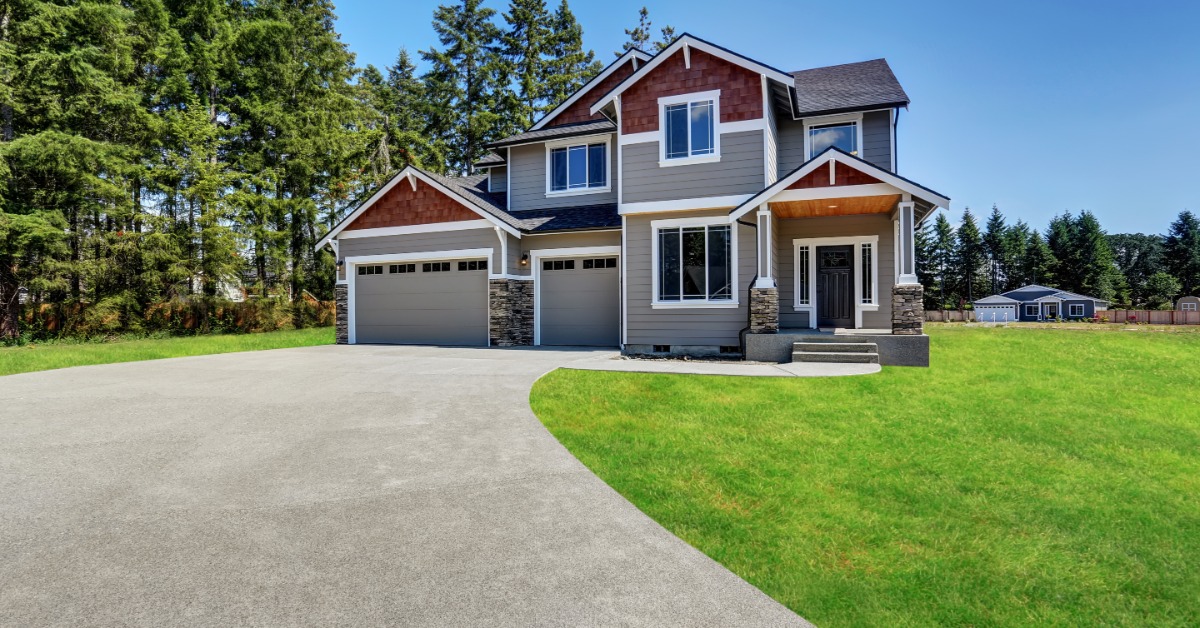
Choosing the right concrete finish can shape your outdoor space’s appearance and everyday experience. A beautifully finished patio creates an inviting setting for entertaining, while a well-designed driveway enhances your home’s curb appeal. Beyond aesthetics, the surface texture also influences traction, maintenance, and how comfortably you can use these areas.
Stamped and brushed finishes both offer the strength of poured concrete, but their appearance, installation requirements, and upkeep differ considerably. Understanding the distinctions between stamped versus brushed concrete for your residential concrete project will help you select a surface that complements your home and supports your long-term goals.
How Does Stamped Concrete Work?
Stamped concrete transforms an ordinary poured surface into a decorative feature that resembles natural stone, brick, slate, or another premium material. Contractors press specialized patterns into freshly placed concrete before it hardens, creating realistic textures and defined impressions.
Color treatments can further enhance the finished appearance. Integral pigments, surface color hardeners, and antiquing agents allow contractors to create subtle color variations that resemble the hues of natural materials. The result can be a richly textured patio or an elegant driveway with the visual character of individual stonework.
Where Does Stamped Concrete Work Best?
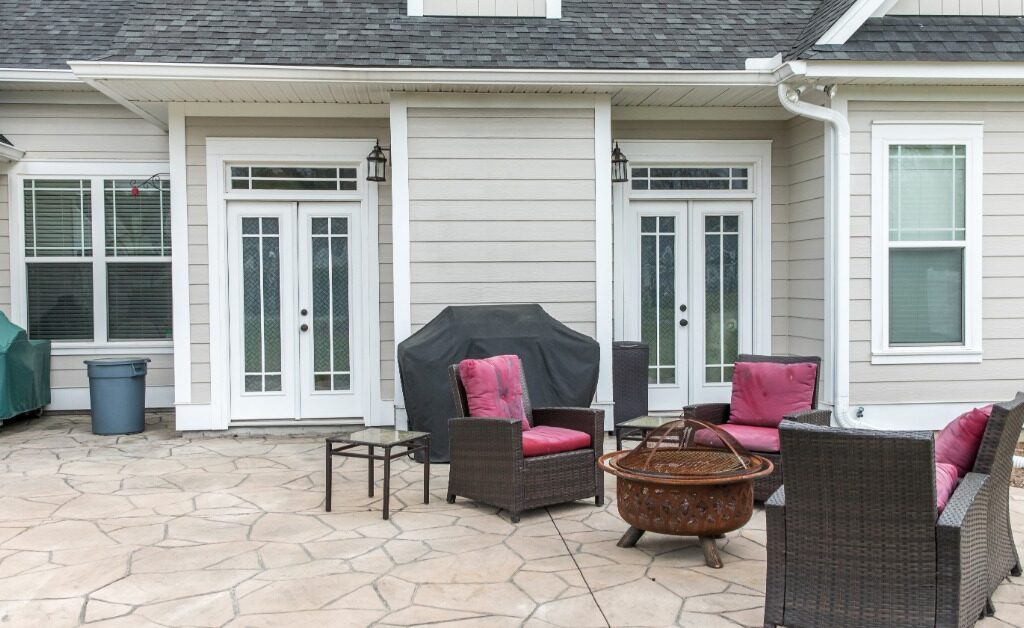
Stamped concrete is particularly appealing when you want a decorative surface that coordinates with your home’s architecture. For instance, a slate-inspired patio can complement a contemporary residence, while a cobblestone pattern introduces traditional character to a front entrance.
Common residential applications for stamped concrete include:
- Backyard patios: Creates distinctive gathering areas with stone-inspired patterns
- Driveways: Introduces decorative textures that enhance curb appeal
- Garden walkways: Connects landscaping features with coordinated colors and patterns
- Outdoor entertaining areas: Establishes visual definition around seating and dining spaces
Stamped finishes offer considerable design flexibility, although intricate patterns require careful planning and skilled installation.
How Does Brushed Concrete Work?
Brushed concrete, also called broom-finished concrete, features a textured surface created by dragging a specialized broom across freshly finished concrete. This process produces fine, parallel grooves that improve traction while maintaining a clean, understated appearance.
Unlike stamped concrete, brushed finishes emphasize simplicity rather than decorative patterns. The consistent texture complements traditional and modern homes without competing with surrounding landscaping or architectural details.
Contractors can adjust the broom technique to create different levels of texture. A finer finish produces a more subtle appearance, while deeper grooves provide additional surface texture. The appropriate treatment depends on how the space will be used and the desired balance between comfort and traction.
Where Does Brushed Concrete Work Best?
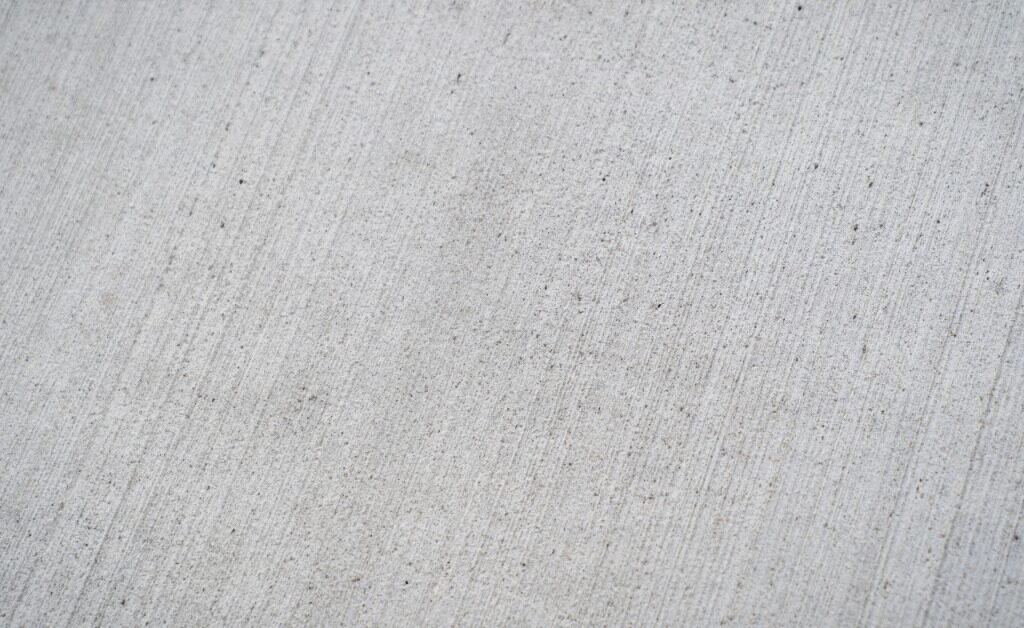
Brushed concrete works particularly well in areas where everyday functionality takes priority. Its textured surface makes it a practical choice for frequently traveled exterior spaces, especially those exposed to rain. Typical applications include:
- Residential sidewalks: Provides dependable traction along frequently used routes
- Driveways: Creates a uniform surface suited to regular vehicle traffic
- Entry walkways: Supports comfortable movement between parking areas and entrances
- Backyard patios: Offers an understated foundation for outdoor furniture and landscaping
For homeowners who prefer a restrained aesthetic, brushed concrete delivers a finished appearance without any elaborate decorative treatments.
How Do the Two Finishes Compare in Appearance?
The most noticeable difference between stamped versus brushed concrete for residential properties is visual complexity. Stamped surfaces introduce patterns, color variations, and dimensional textures that can become defining features of your outdoor design. Imagine a spacious backyard patio with a warm, natural-stone pattern extending toward a landscaped seating area. The decorative surface adds depth and character, making the patio feel like an intentional extension of your home’s interior.
Brushed concrete creates a different impression. Its consistent texture provides a clean backdrop that allows surrounding elements, including retaining walls, gardens, and architectural features, to receive more attention.
Neither finish is inherently more attractive. The better choice depends on whether you want your concrete to serve as a focal point or provide a subtle foundation for the broader landscape.
How Do the Two Finishes Compare in Safety?
Surface traction deserves careful consideration when you’re planning a patio, driveway, or walkway, as rainfall can make outdoor concrete slippery. Brushed concrete generally offers reliable traction because its fine grooves create a textured walking surface. This makes it especially useful for sloped walkways, entrances, and other areas where dependable footing matters.
Stamped concrete requires more attention to pattern depth, surface texture, and sealing products. Some decorative finishes, such as a glossy sealer, can become slippery when wet. Your contractor can recommend textured patterns and compatible slip-resistant additives to improve traction.
How Do the Two Finishes Compare in Maintenance?
Both finishes require routine care, but their maintenance needs differ. Brushed concrete typically requires straightforward cleaning to remove dirt, leaves, and organic buildup. Its uniform appearance makes ordinary wear less visible, although stains and cracks can still develop.
Preserving stamped concrete’s decorative appearance often requires additional attention. Depending on the products used and the environmental exposure, periodic resealing may protect the color and surface finish.
Homeowners should consider these additional maintenance differences:
- Cleaning: Both surfaces benefit from regular sweeping and appropriate washing.
- Sealing: The protective coatings of decorative stamped surfaces may need more frequent attention.
- Repairs: Matching existing stamped patterns and colors can make repairs more complex.
- Weather exposure: Both finishes require proper drainage and suitable maintenance to limit surface deterioration.
A professional can explain the recommended care requirements for the specific finish and products you select.
How Do the Two Finishes Compare in Cost?
Stamped concrete generally involves a higher initial investment than brushed concrete. Creating decorative patterns requires specialized tools, additional materials, and more detailed finishing work. Color treatments, pattern complexity, and the size of the installation can further influence the project estimate.
Brushed concrete typically offers a more economical finishing process because it involves fewer decorative steps. However, overall project costs still depend on site preparation, concrete thickness, accessibility, drainage requirements, and other installation considerations.
For homeowners evaluating long-term value, the lowest initial cost shouldn’t be the only consideration. A decorative patio that complements your outdoor living goals may justify the additional investment, while a brushed driveway may simply provide the appearance and functionality you need.
How Do You Choose the Right Concrete Finish?
Selecting between stamped and brushed concrete begins with understanding how you want the finished space to look and function. A patio intended for entertaining may benefit from decorative detailing, while a frequently used walkway may call for a simpler textured surface. Before committing to either finish, consider these priorities:
- Architectural compatibility: Choose textures and colors that complement your home’s exterior.
- Daily use: Consider foot traffic, furniture placement, and vehicle access.
- Surface traction: Evaluate rainfall exposure, slopes, and areas where water may collect.
- Maintenance expectations: Determine how much ongoing surface care you prefer.
- Project investment: Balance decorative preferences against installation and maintenance requirements.
Which Concrete Finish Fits Your Home?
Stamped concrete provides decorative flexibility and architectural character, making it appealing for distinctive patios and outdoor entertaining spaces. Brushed concrete offers a restrained appearance, practical traction, and relatively simple maintenance. Both options can contribute to an attractive, durable outdoor environment when installed with appropriate preparation and attention to detail.
At PNP Outdoor Development, we understand that quality concrete work should complement your property’s appearance while supporting everyday functionality. Whether you’re planning an elegant patio or improving your driveway, our team can help you evaluate options for your space. Contact us to discuss your residential concrete installation project and to request a personalized quote.
Add a Comment