
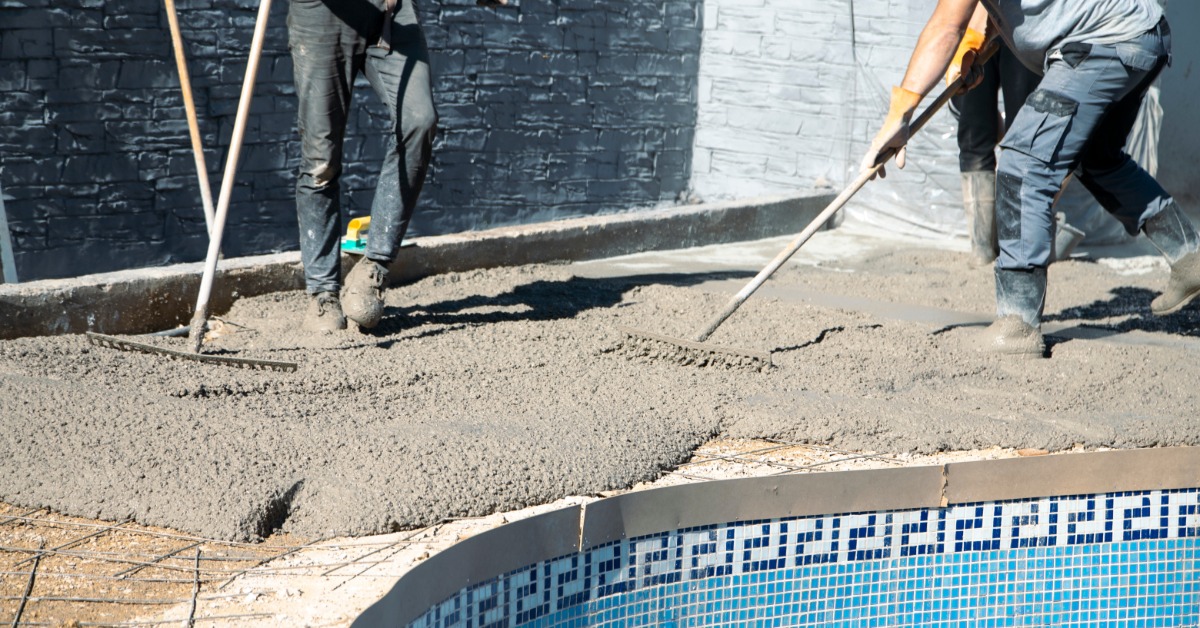
A beautiful concrete surface starts long before the first pour. Beneath every driveway, patio, or walkway is a foundation that determines how well that surface holds up over time. What happens below the surface matters just as much as the finish you see. Proper subgrade prep is key for concrete slabs, helping you avoid preventable issues and protect your investment.
Define What Subgrade Preparation Involves
Subgrade preparation is the process of preparing the soil beneath a concrete slab before installation begins. It starts with evaluating the existing ground conditions and identifying any weaknesses that could affect performance. This step ensures the base can properly support the structure above.
The process often begins with a site assessment. Contractors review soil type, moisture levels, and slope to determine what adjustments are needed. Clay-heavy soils tend to expand and contract, while sandy soils may require added stabilization to stay in place.
The goal is to create a stable, uniform foundation. That means removing unsuitable material, leveling the area, and building a base that can handle weight and environmental changes. Without this level of preparation, even well-finished concrete can run into problems.
It also accounts for how soil behaves over time. Changes in moisture and temperature can cause movement, which makes early preparation essential for long-term stability.
Prevent Structural Problems Before They Develop
When subgrade preparation is rushed or overlooked, issues tend to show up quickly. Cracking and uneven surfaces are often tied to unstable ground conditions. These problems affect both the look and safety of your outdoor surfaces.
One of the most common causes is inconsistent support beneath the slab. When one section of the base is weaker than another, the concrete is forced to carry uneven pressure. Over time, that stress leads to cracks or areas that sink.
Addressing the subgrade early helps reduce the risk of:
- Uneven settling that affects the surface level
- Cracking caused by soil movement
- Water buildup beneath the slab
- Premature wear that shortens the lifespan
By stabilizing the base before pouring, you create a slab that performs consistently. This is especially important for high-use areas like driveways and walkways.
For homeowners investing in a more refined outdoor space, avoiding these issues helps protect both function and curb appeal.
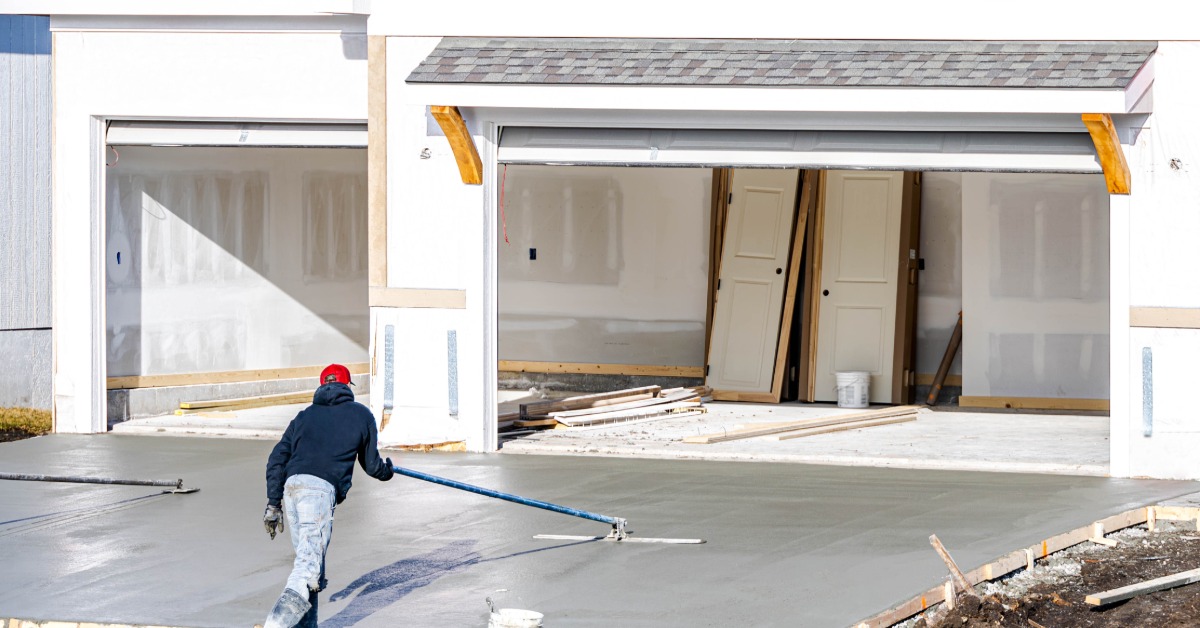
Improve Drainage and Manage Moisture
Water is one of the biggest factors affecting concrete performance. Without proper drainage, moisture can collect beneath the slab and weaken the soil over time. That pressure often leads to shifting or cracking.
Subgrade preparation includes planning how water moves across your property. This may involve grading the surface, adding a gravel base, or building in drainage features that guide water away from the slab.
In more complex situations, additional solutions may be needed. These can include perforated drain pipes or systems that allow trapped water to escape before it builds pressure under the slab.
When moisture is managed correctly, the slab stays more stable. It also reduces the risk of long-term damage that can affect both the structure and the surrounding areas.
Ensure Proper Compaction for Stability
Compaction is one of the most important steps in subgrade preparation. It involves compressing the soil to remove air pockets and create a dense, supportive base. Without it, the ground can shift under the weight of the concrete.
A properly compacted base spreads weight evenly across the slab. This helps prevent weak spots that could lead to cracks or uneven surfaces later on. It also supports heavier loads without compromising the structure.
The process typically includes several steps:
- Clearing loose or organic material from the site
- Adding a stable base layer, such as gravel
- Compacting the material in layers for consistency
- Checking the surface for firmness and uniform support
Professional crews use specialized equipment to achieve the right level of compaction. Plate compactors or rollers apply steady pressure to create a reliable base. Without that level of precision, hidden voids can form and cause issues down the line.
Each step plays a role in building a stronger foundation. Taking the time to do it right helps ensure the finished concrete performs as expected.
Support Long-Term Durability and Performance
Concrete is known for its strength, but that strength depends on what lies beneath it. A properly prepared subgrade allows the slab to handle everyday use while maintaining its structure. This includes exposure to weather and regular foot traffic.
Durability also affects how the surface looks over time. A stable base helps preserve clean edges and an even appearance. These details matter in outdoor spaces designed with a more polished look.
A well-prepared subgrade also reduces ongoing maintenance concerns. When the base stays stable, you’re less likely to deal with repeated repairs or surface corrections. That consistency adds value over time.
For homeowners focused on long-term performance, this step is essential—not optional.
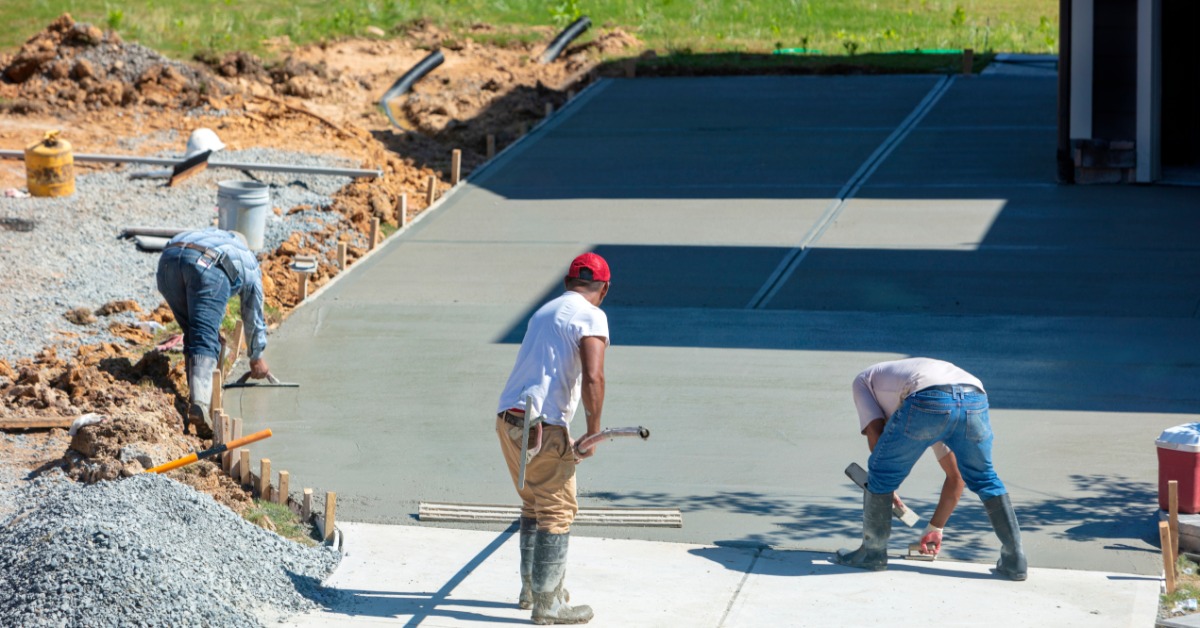
Elevate the Final Look and Finish
Subgrade preparation has a direct impact on the final appearance of your concrete. A stable base allows for cleaner installation and a more consistent finish. This is especially important in visible areas like patios and entryways.
If the base shifts after installation, the surface reflects it. Patterns can become uneven, and cracks may interrupt the overall design. Even small changes beneath the slab can affect how the finished space looks.
In decorative concrete applications, these details matter even more. Stamped or colored finishes rely on a steady base to maintain their appearance over time.
With proper preparation, the final result feels intentional and well-crafted. Every layer supports the next, creating a cohesive outdoor space that holds up both visually and structurally.
Build With Confidence From The Ground Up
Understanding why proper subgrade prep is key for concrete slabs gives you a clearer view of what goes into a successful project. It’s not just about pouring concrete—it’s about building a foundation that supports everything above it.
Working with experienced professionals ensures each step is handled with care. From evaluating soil conditions to managing drainage and compaction, the details are addressed with precision.
If you’re planning a project involving concrete construction in Phenix City, AL, trust PNP Outdoor Development to deliver results built on a solid foundation. Our team provides tailored solutions, premium craftsmanship, and seamless project management from start to finish. Reach out today to schedule your consultation and take the next step toward a durable, refined outdoor space.
Add a Comment